 nl
nl
 en
en
 de
de

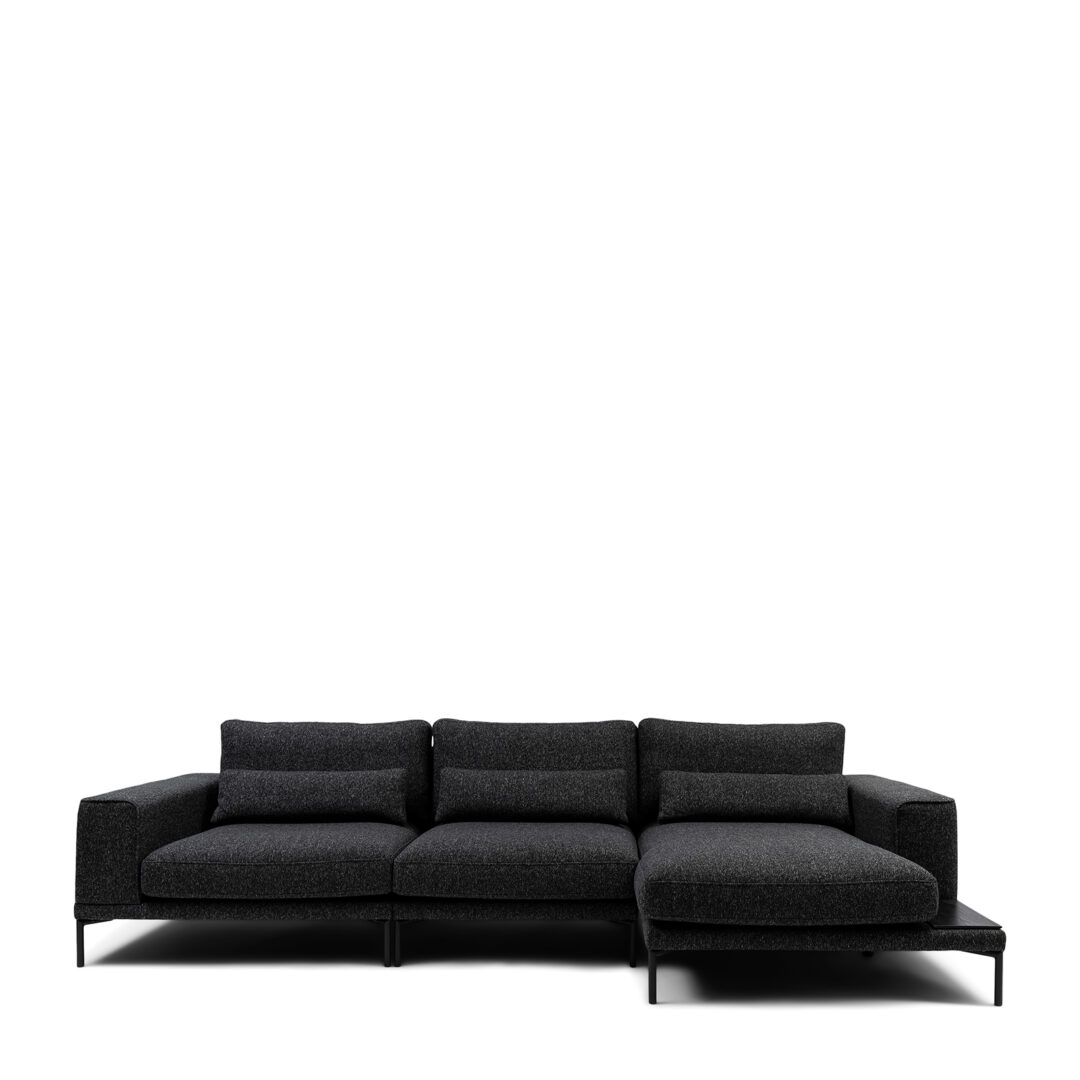
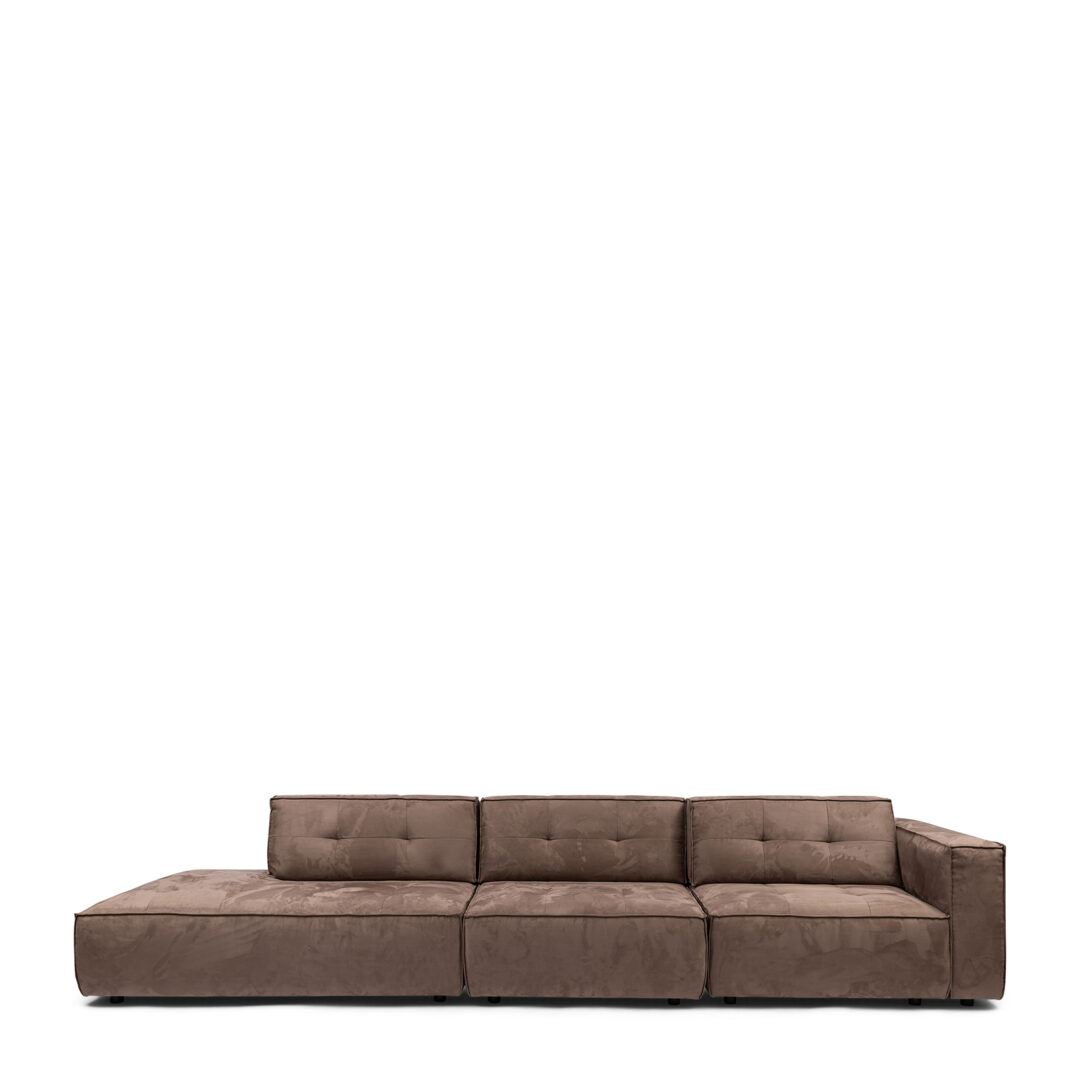
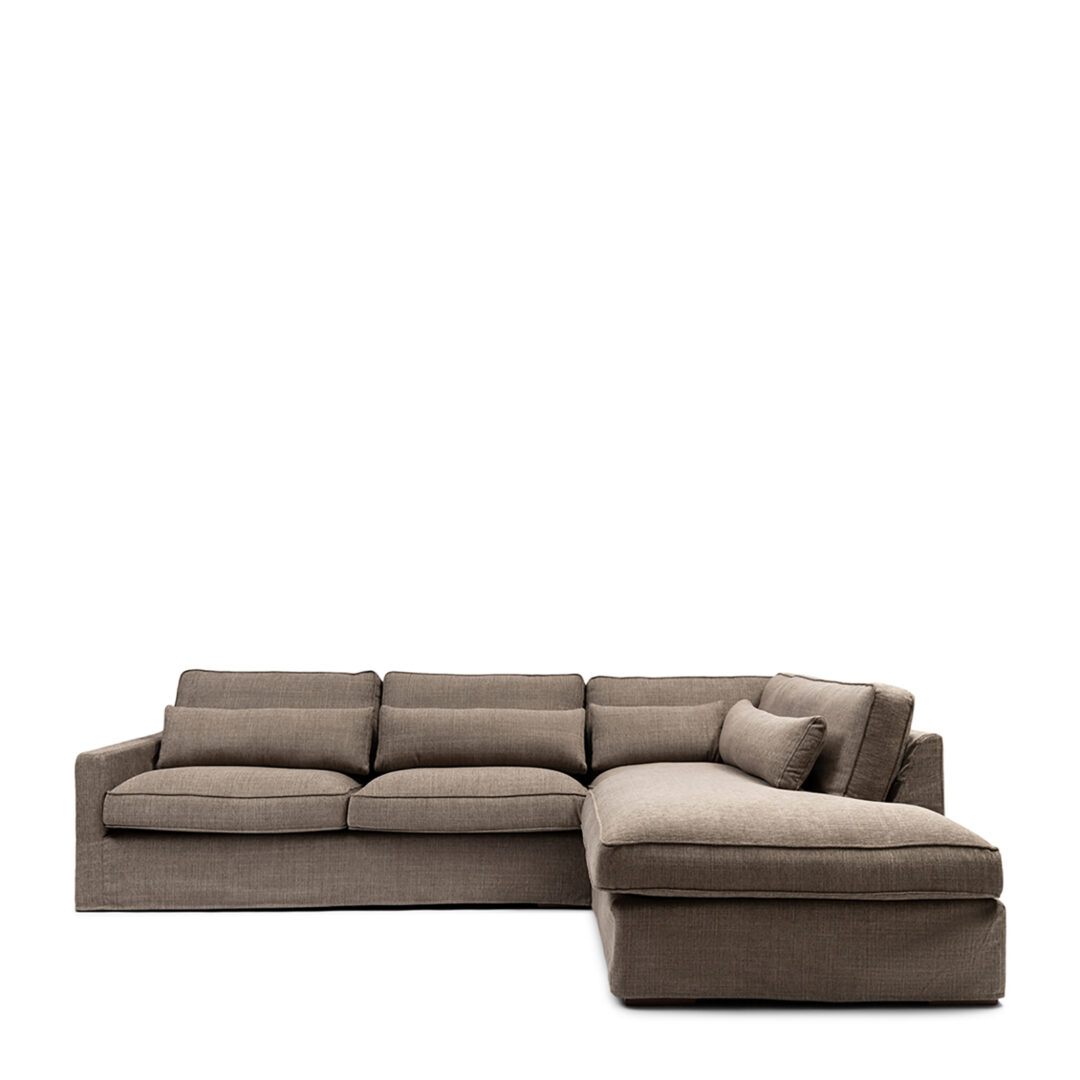
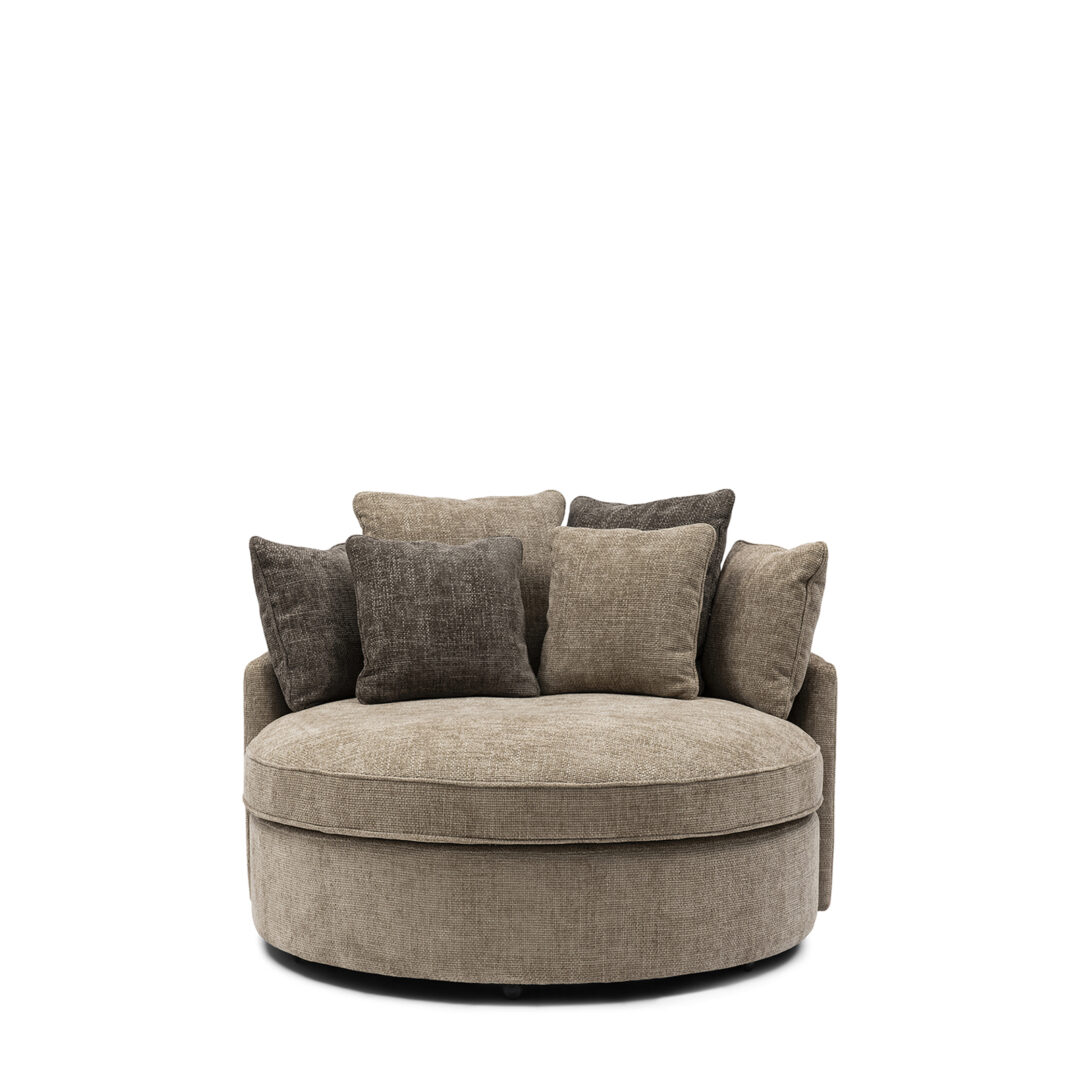
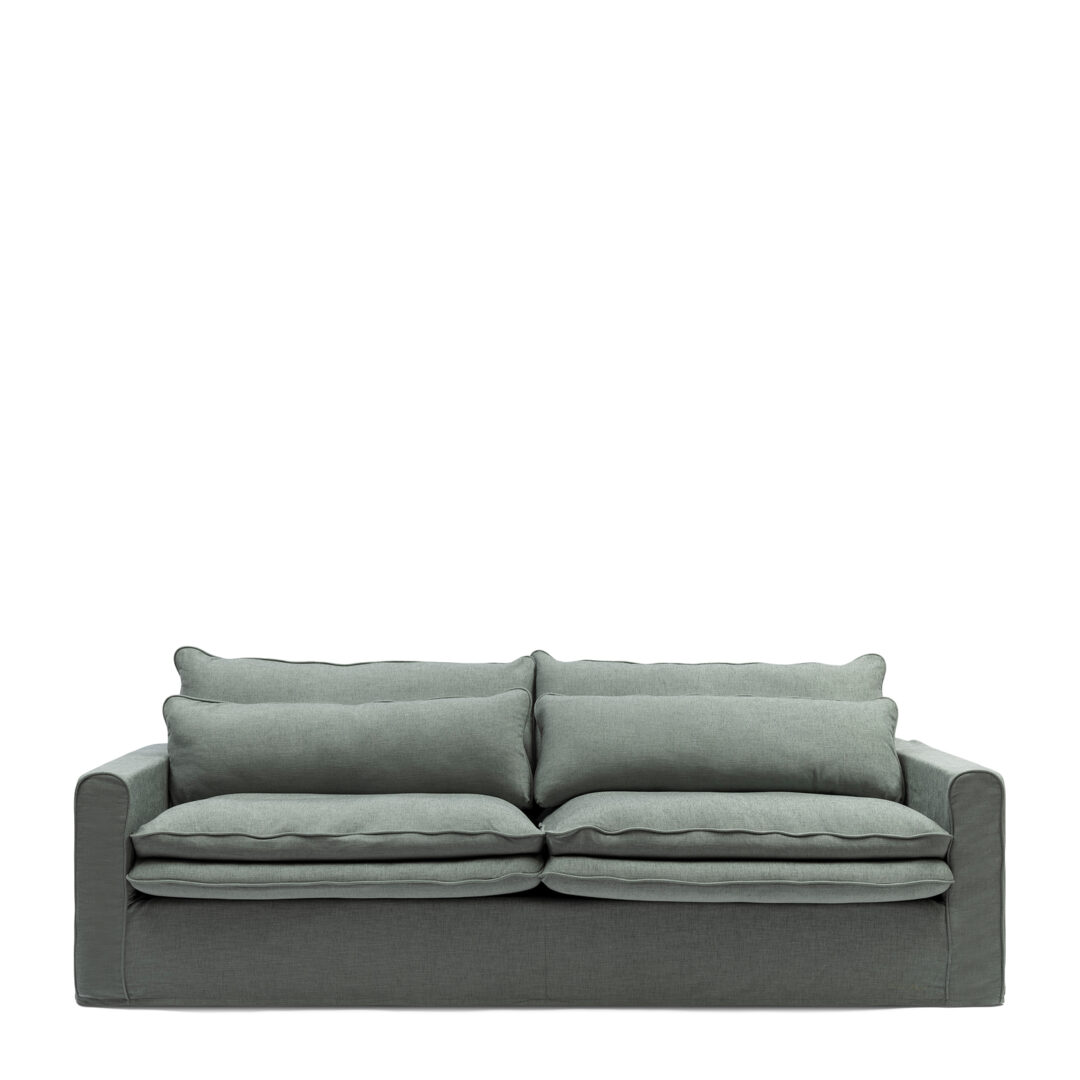
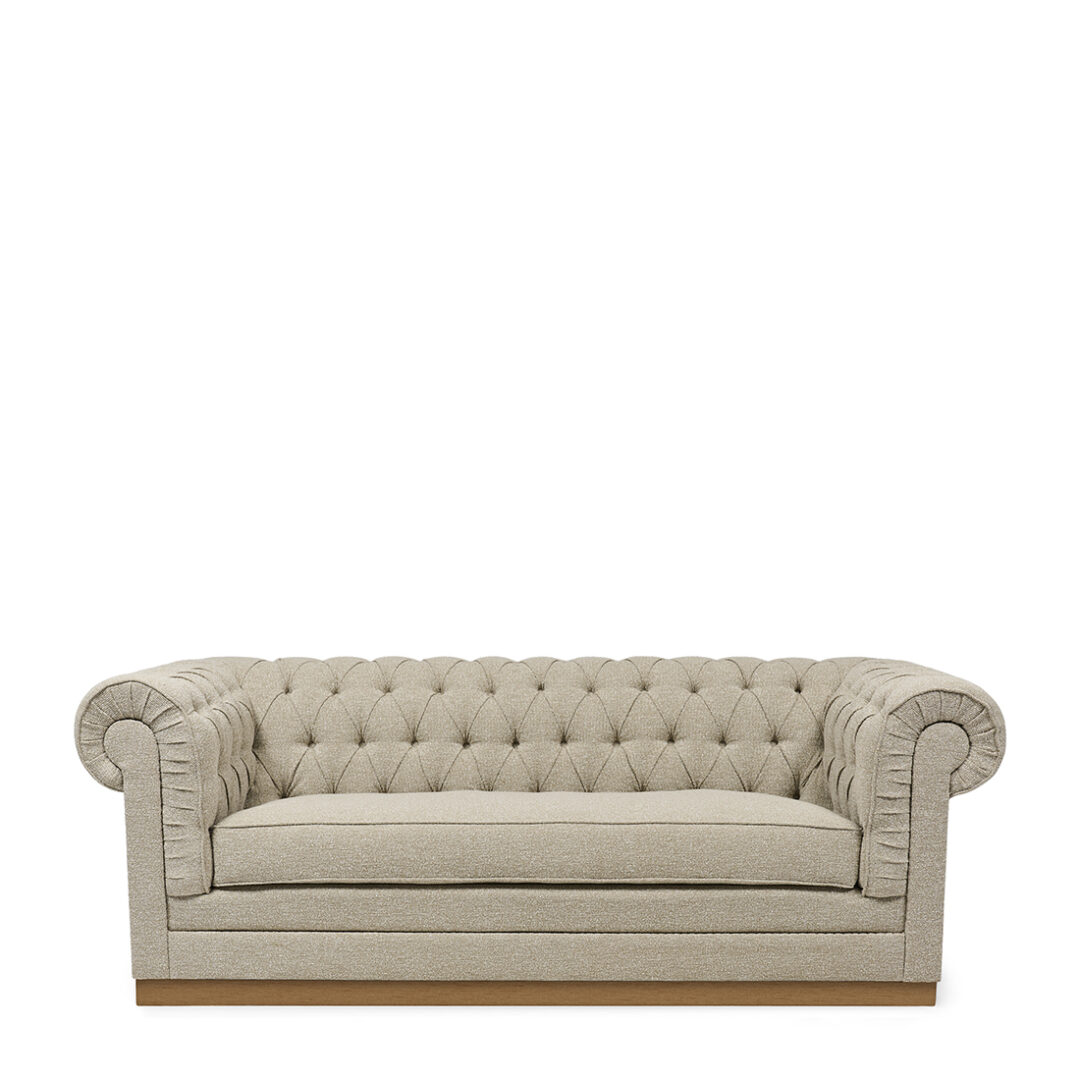
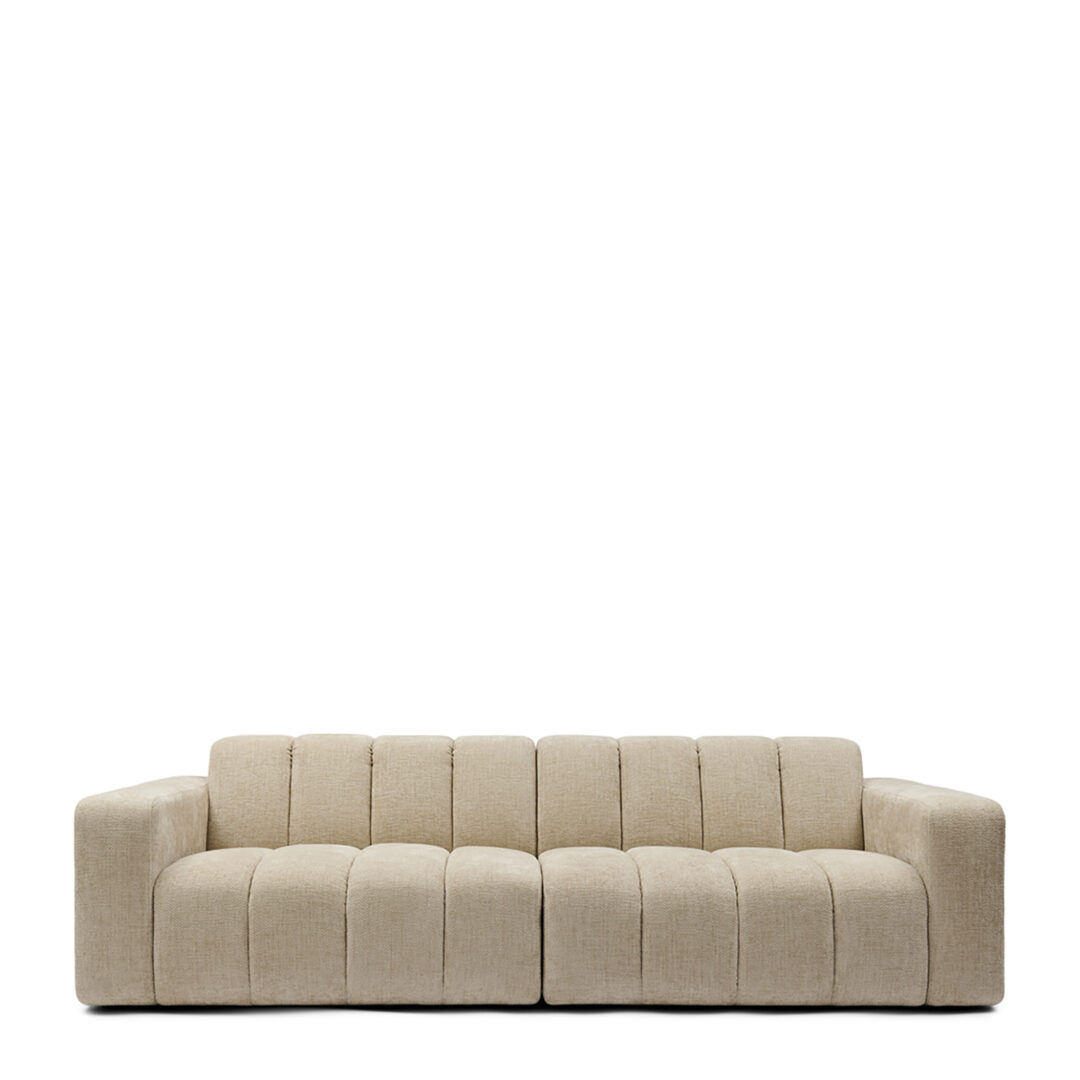
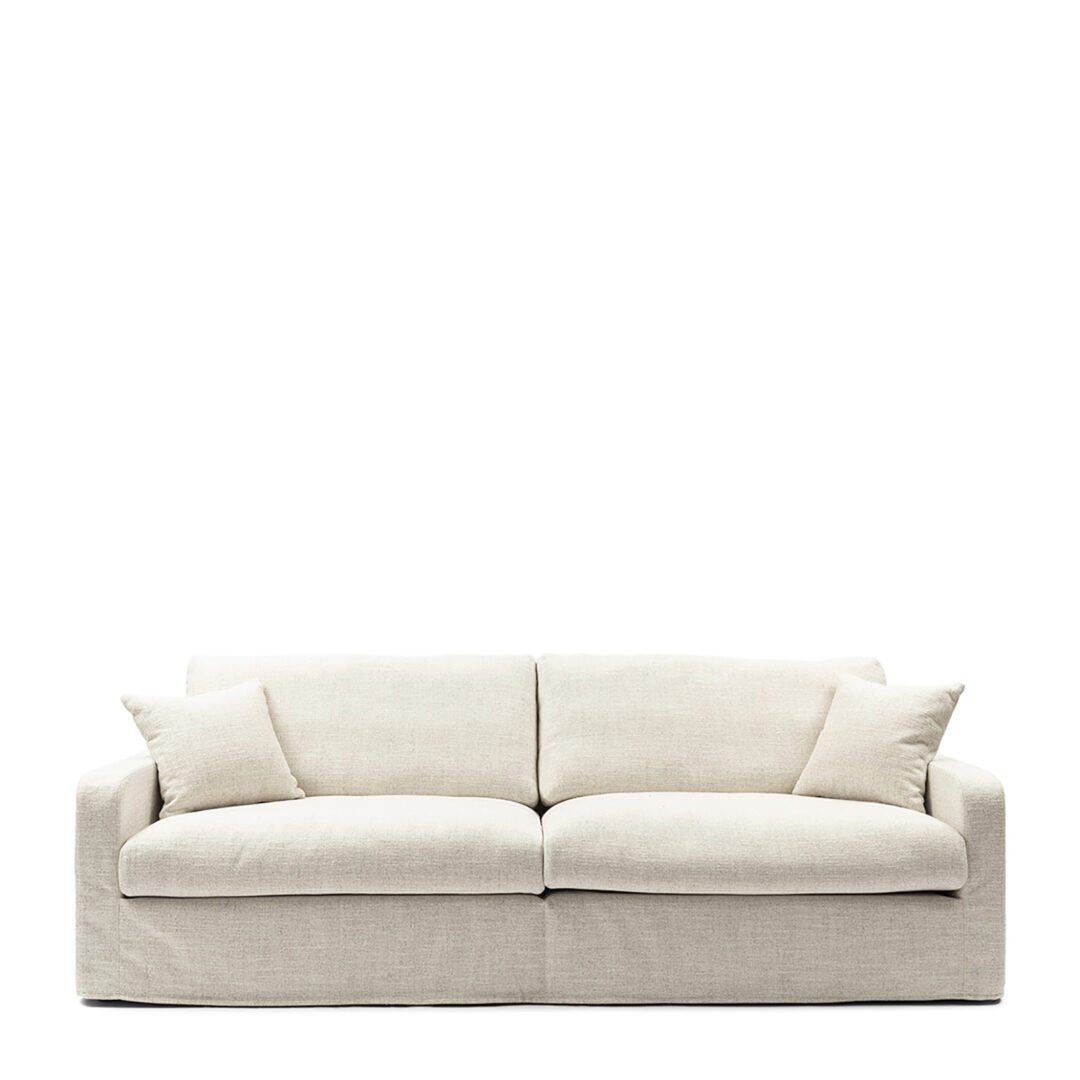
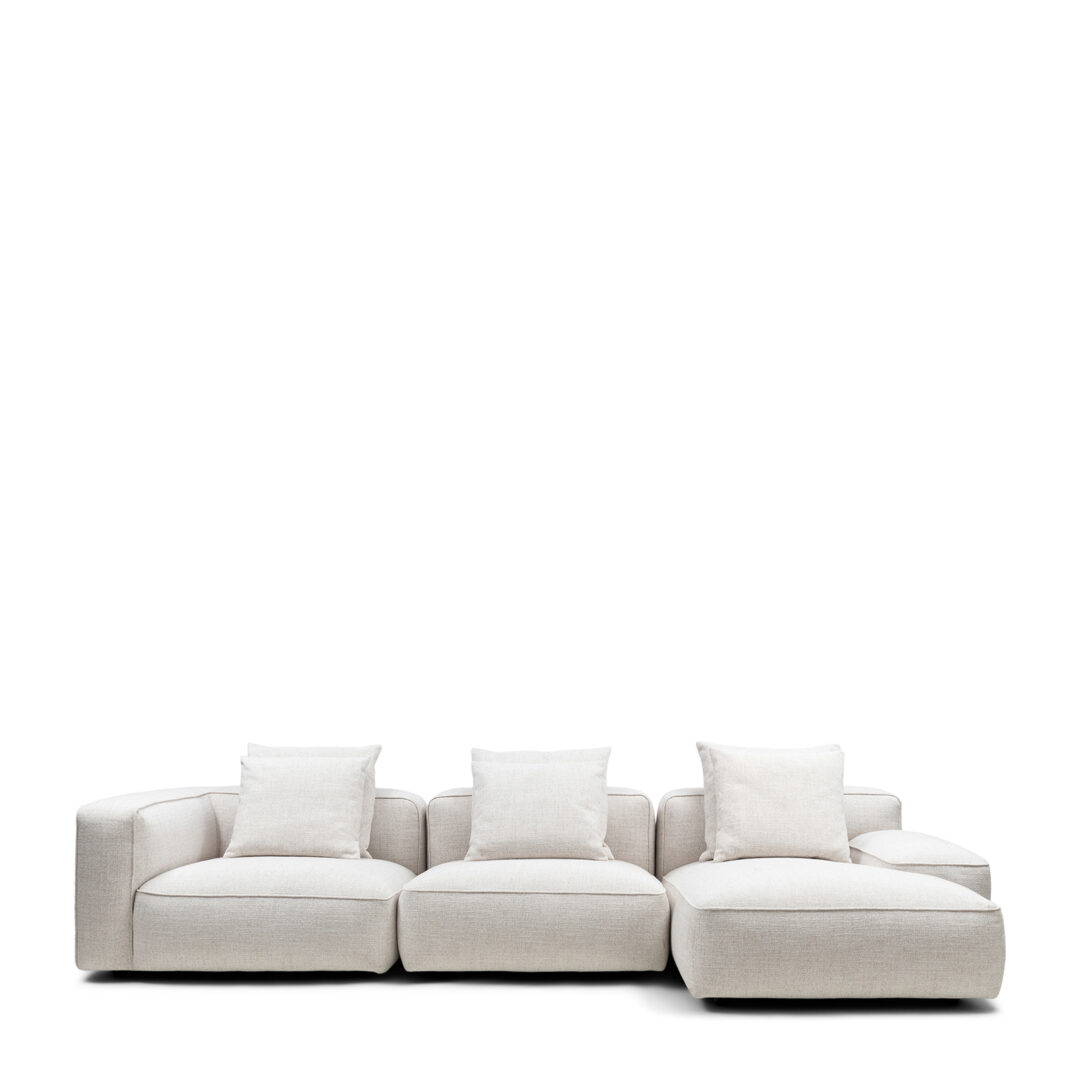
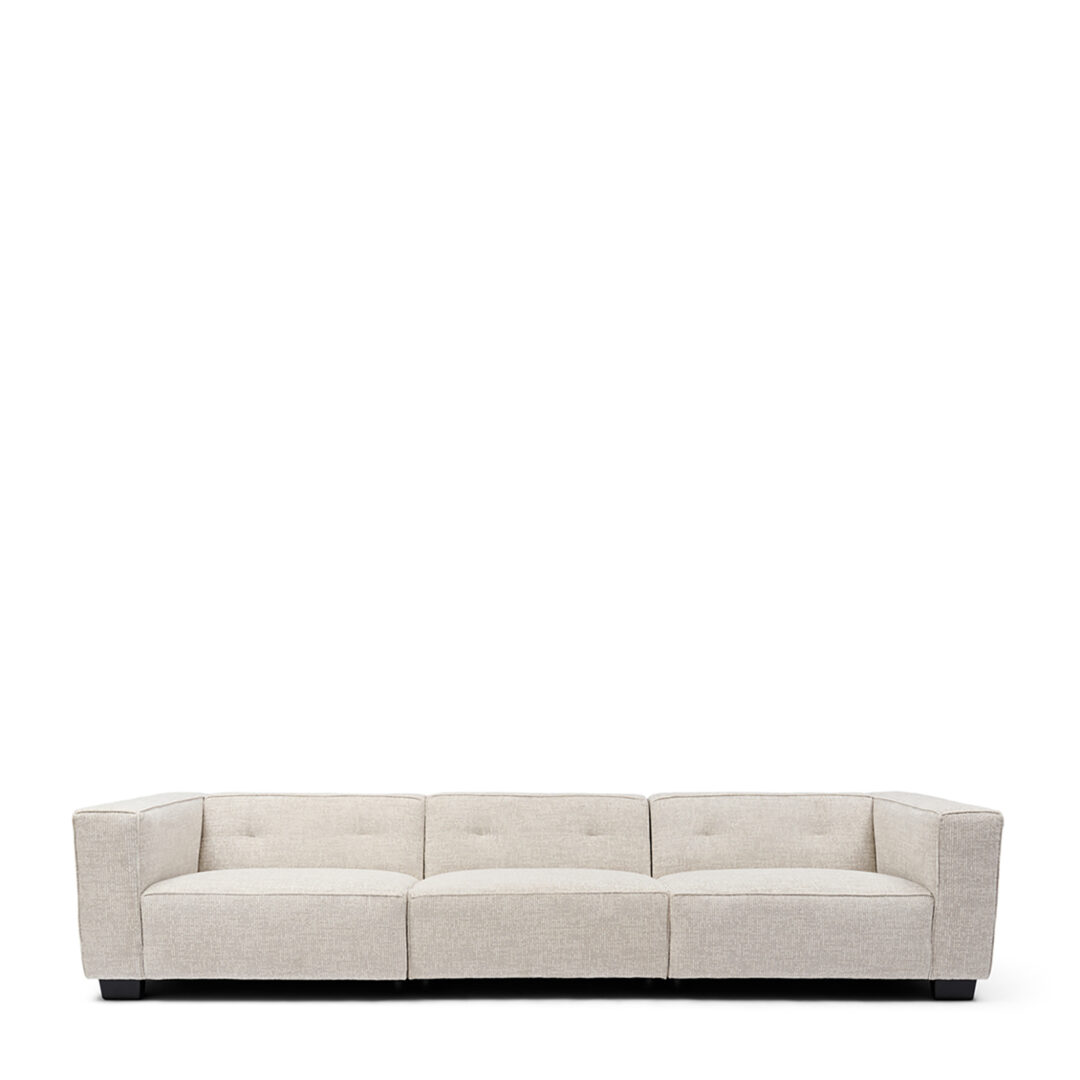
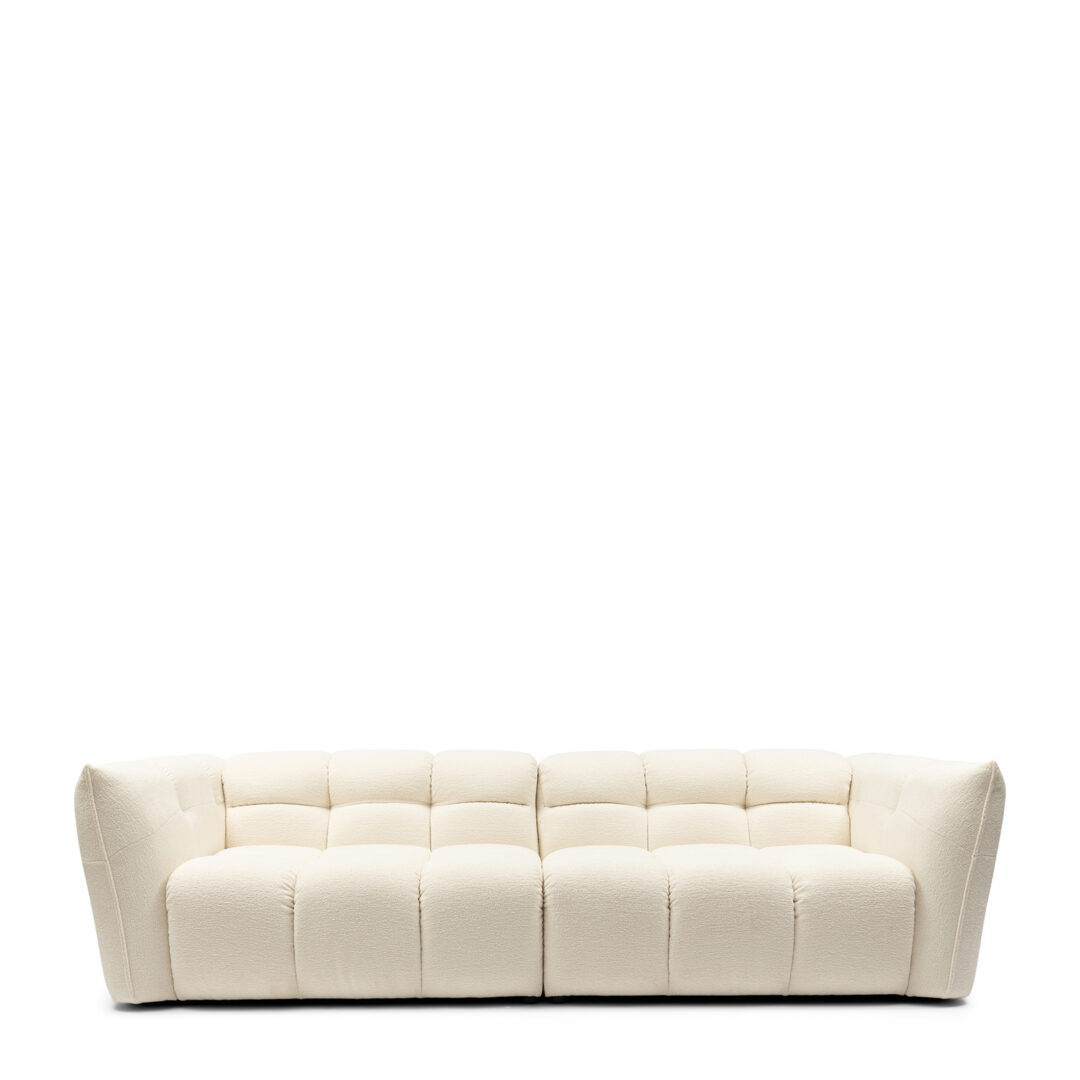
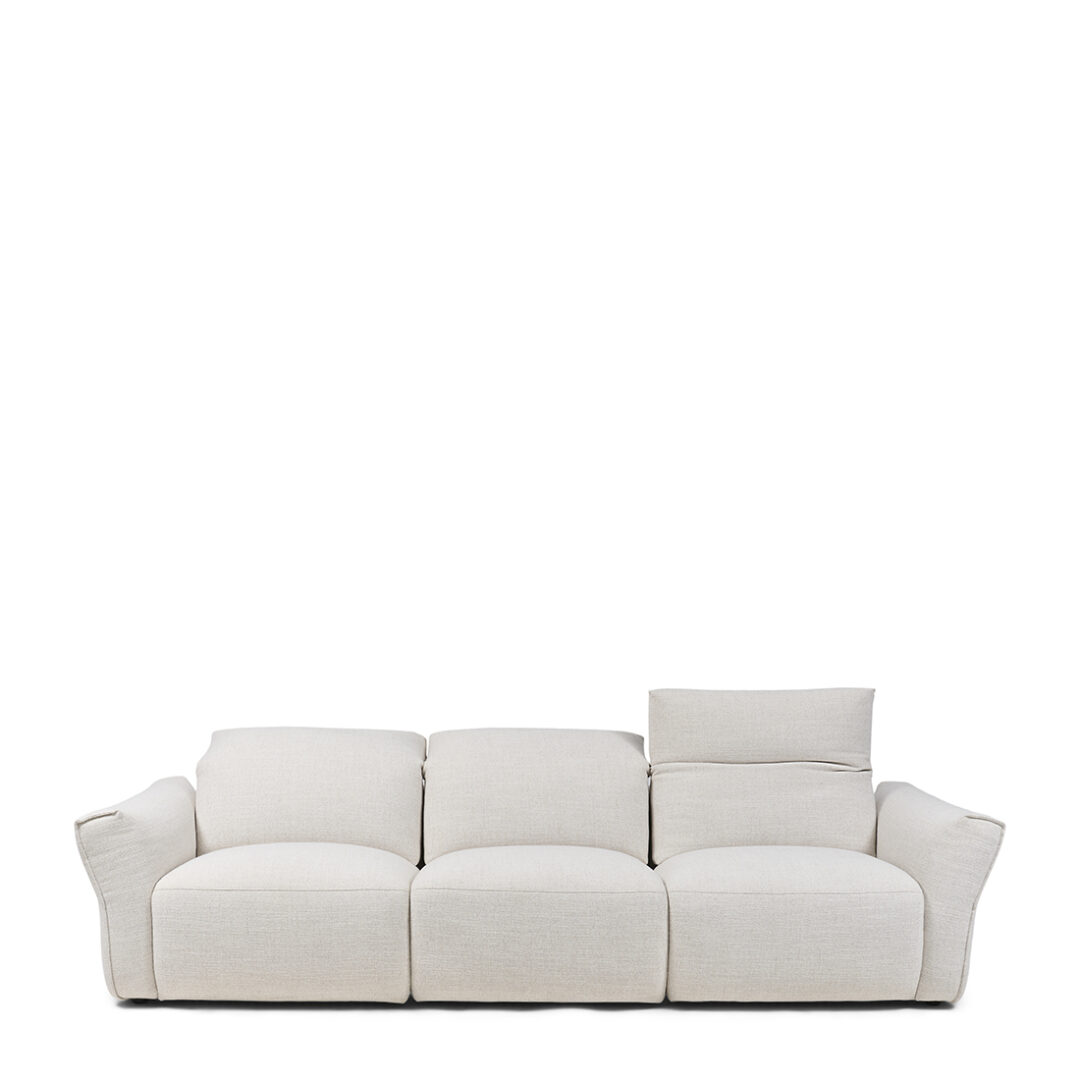
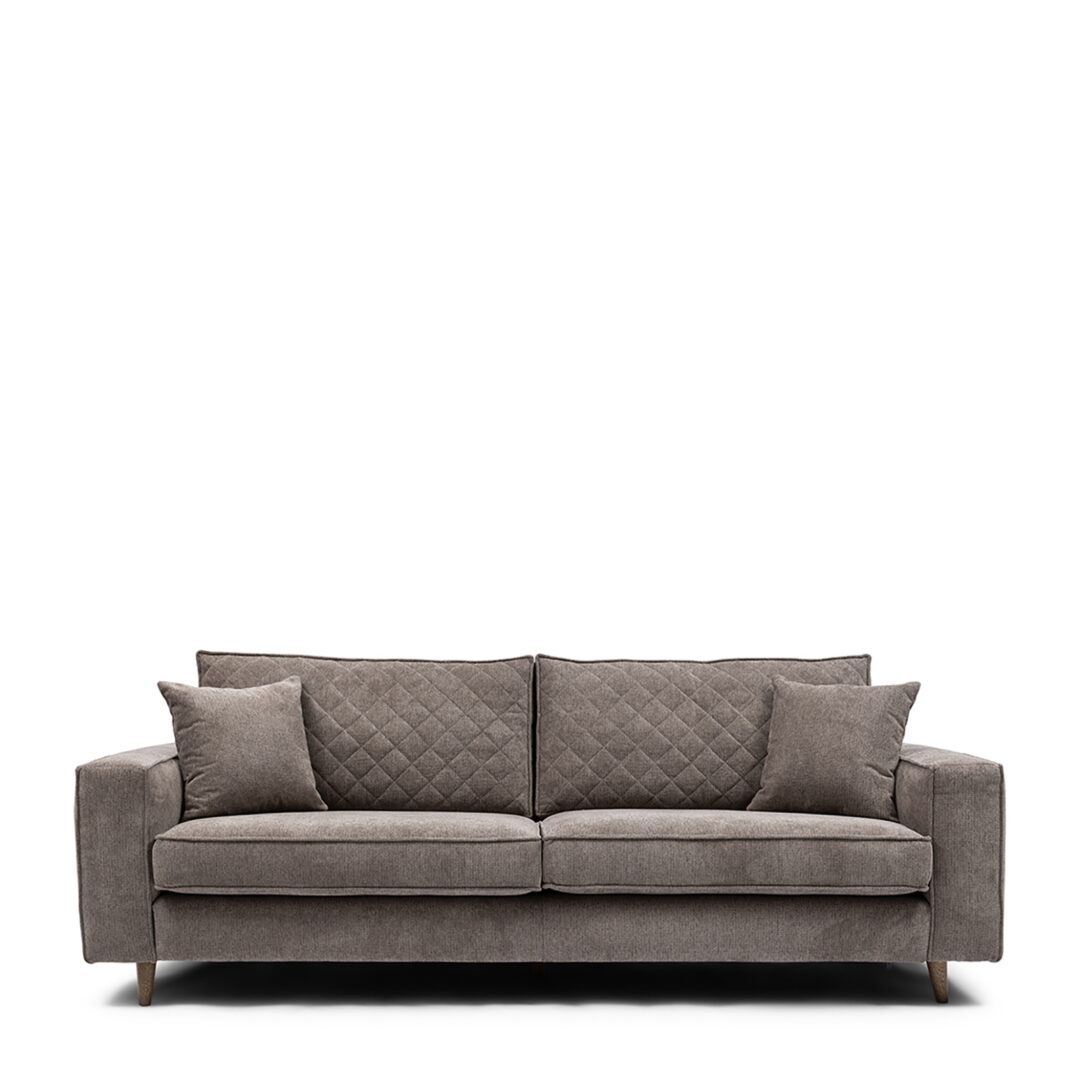
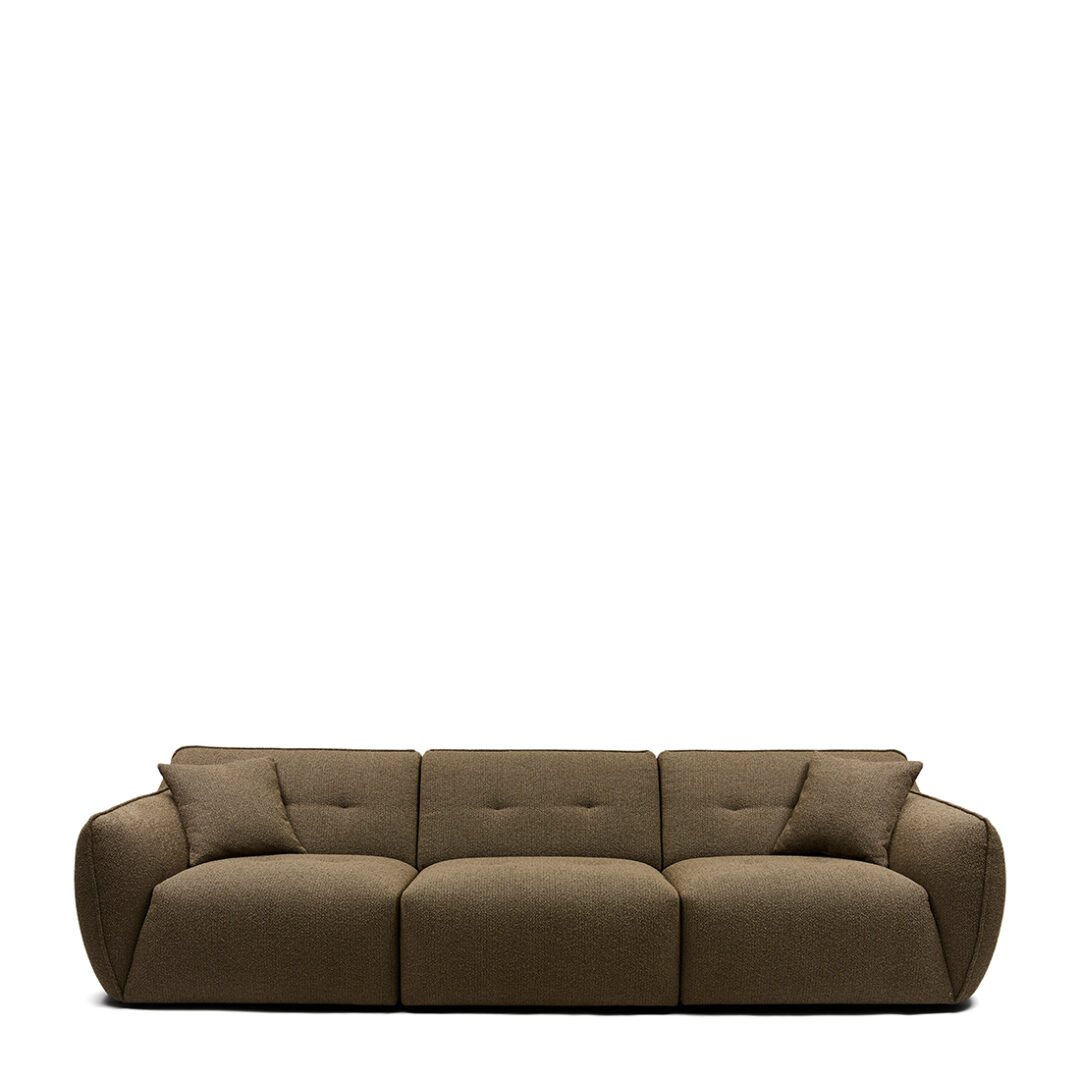
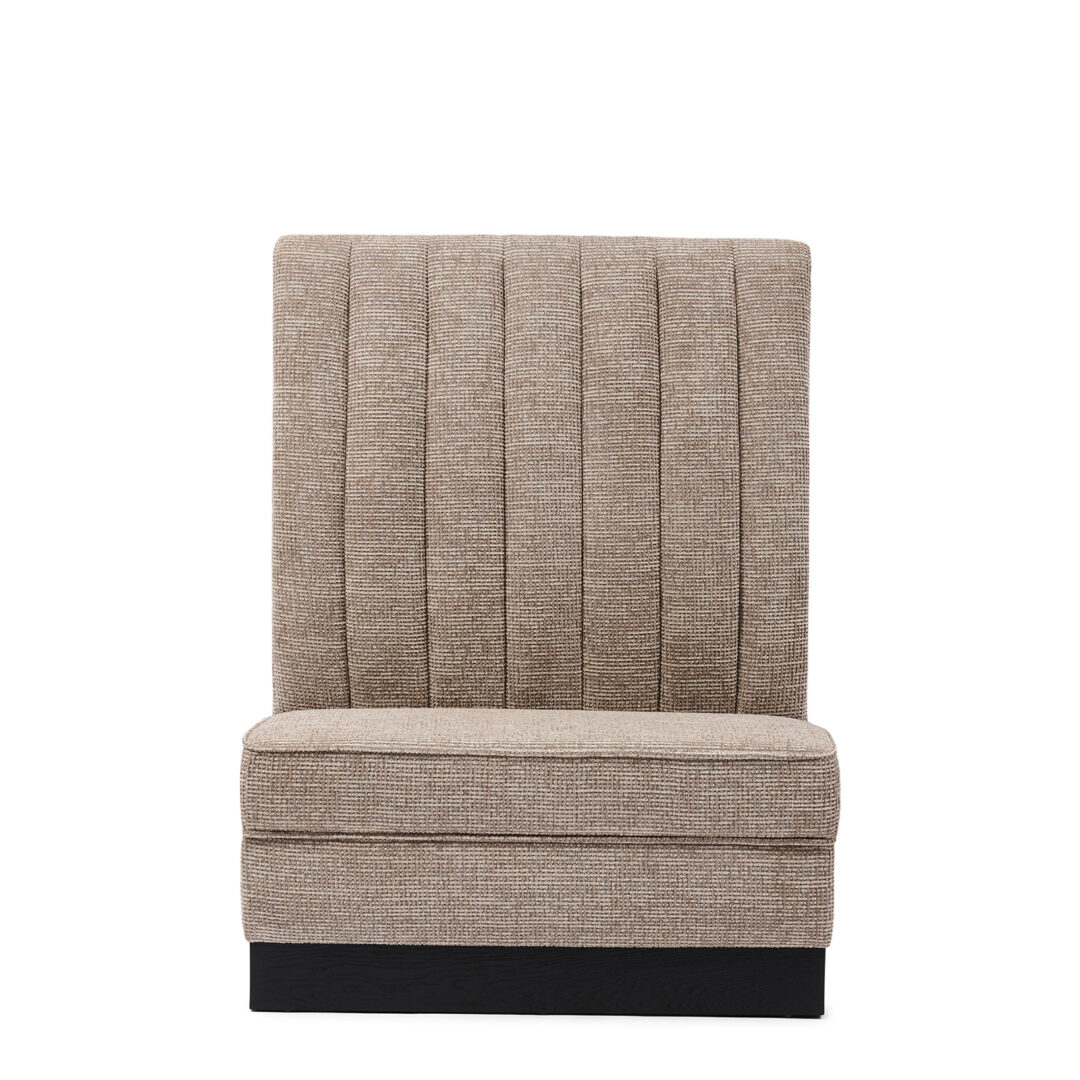
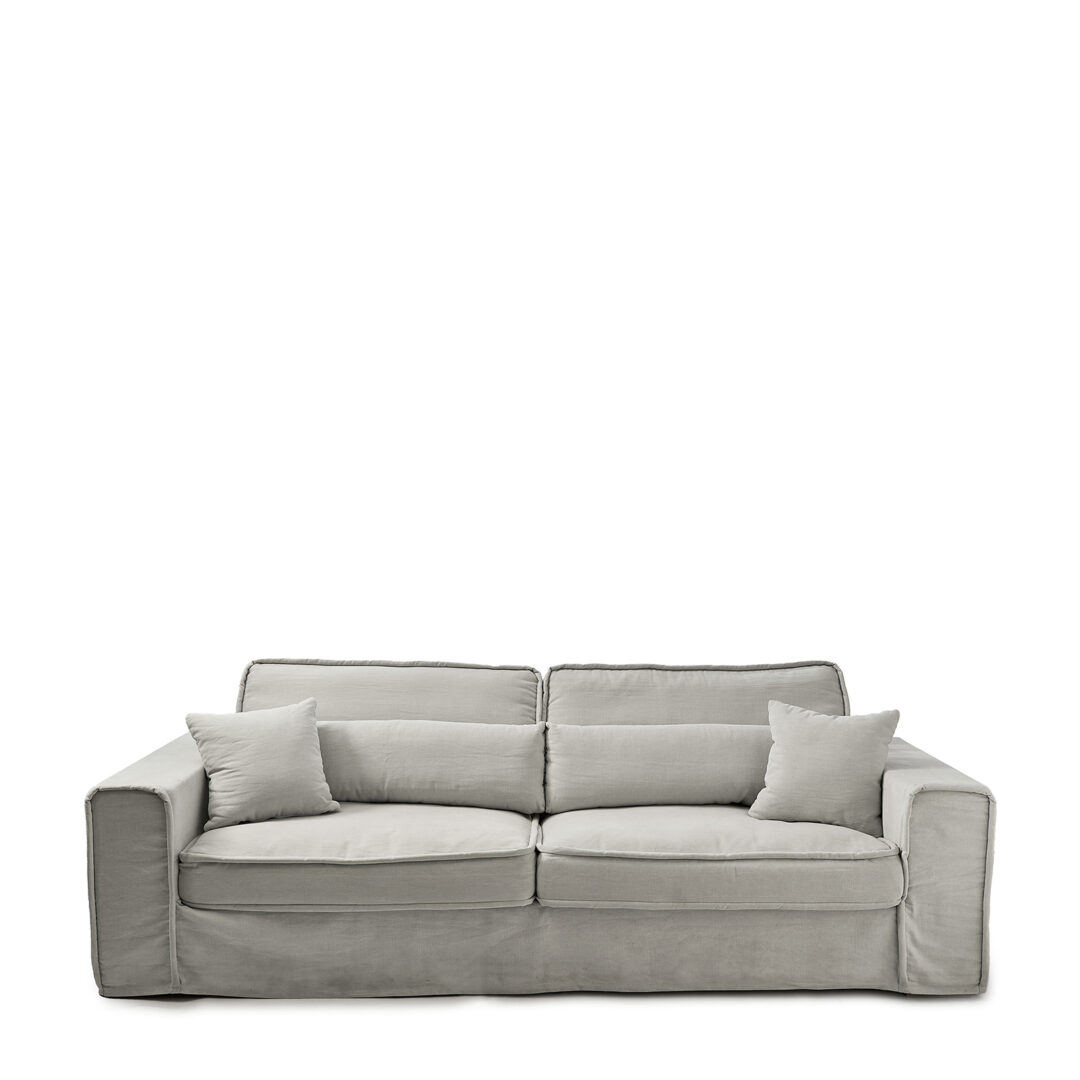
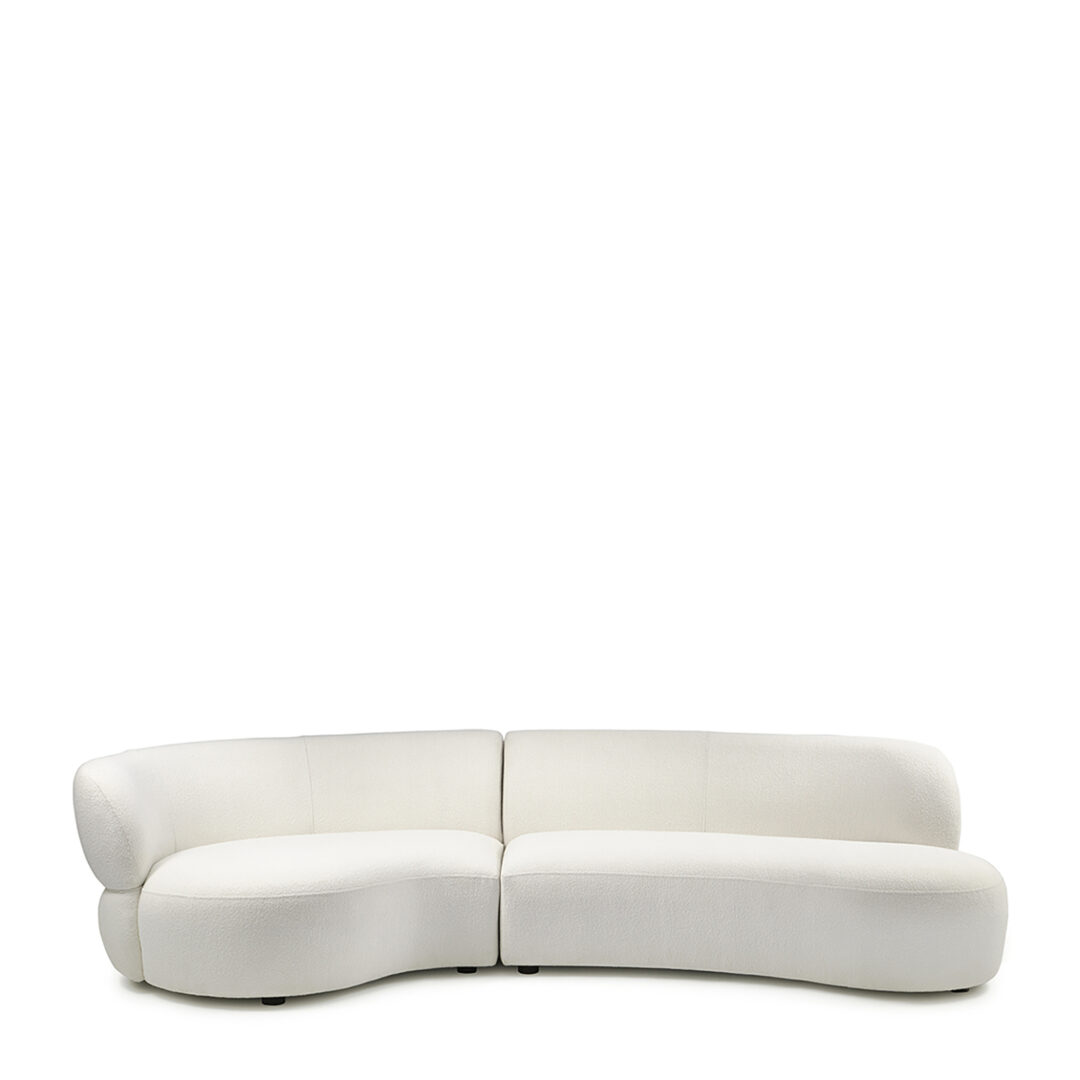
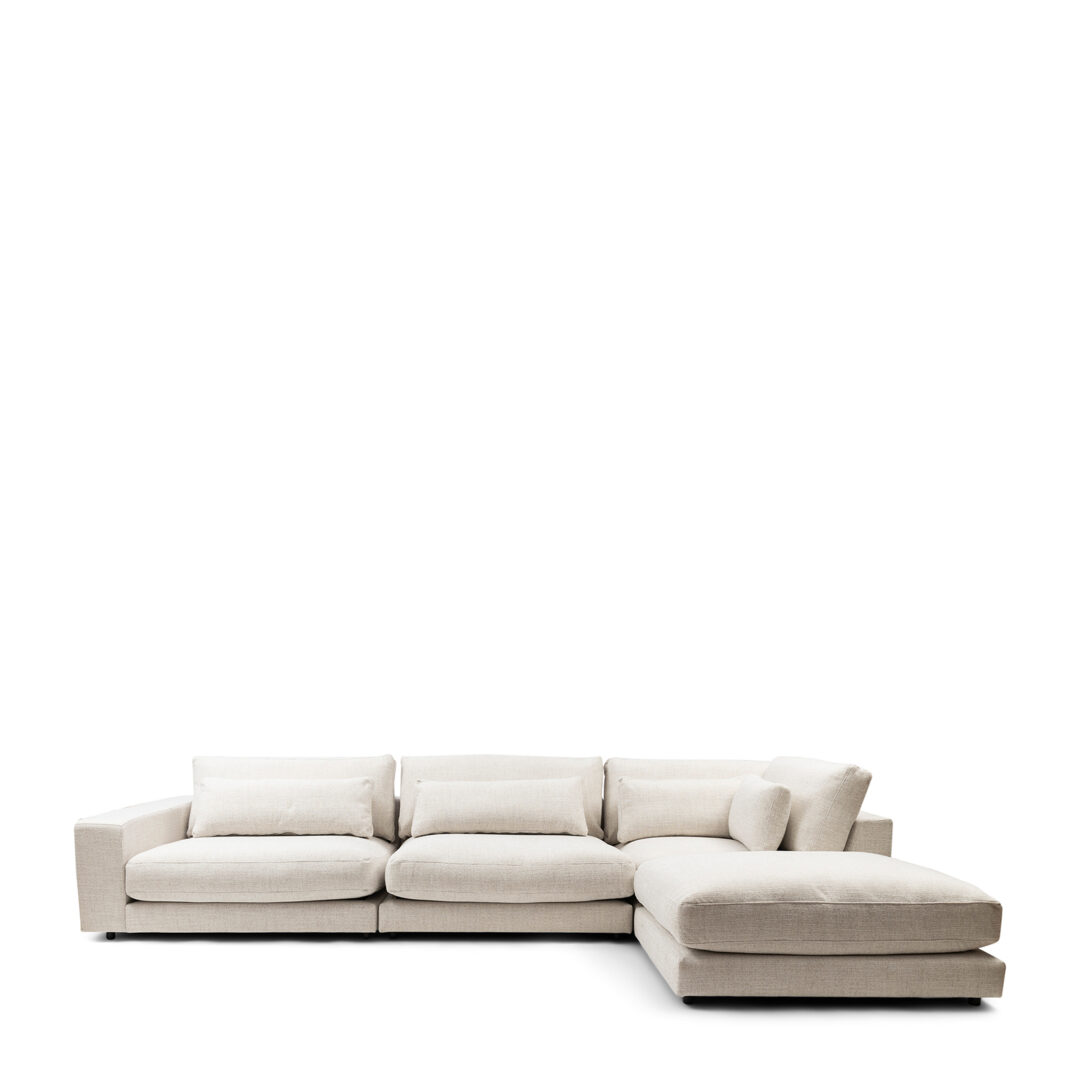
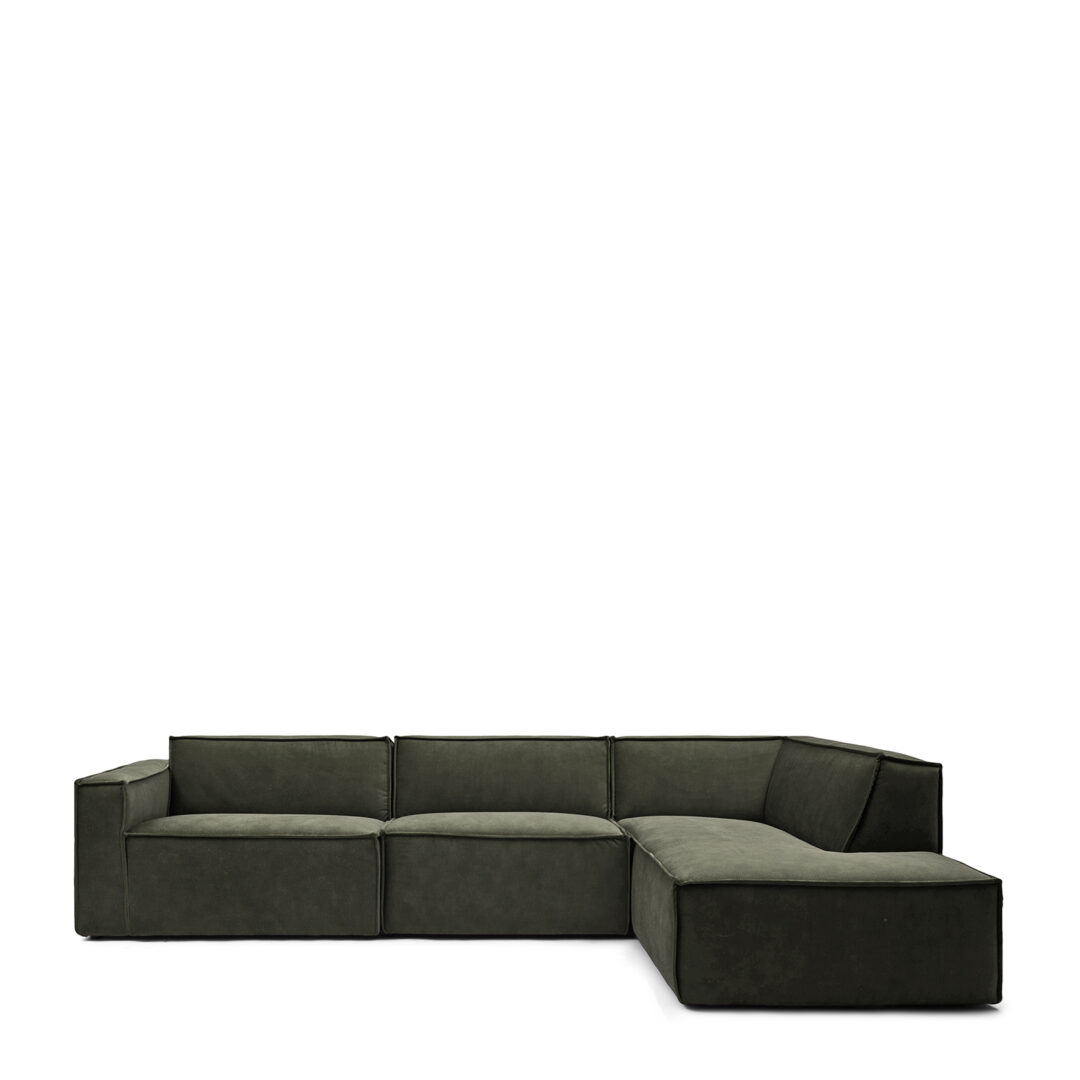
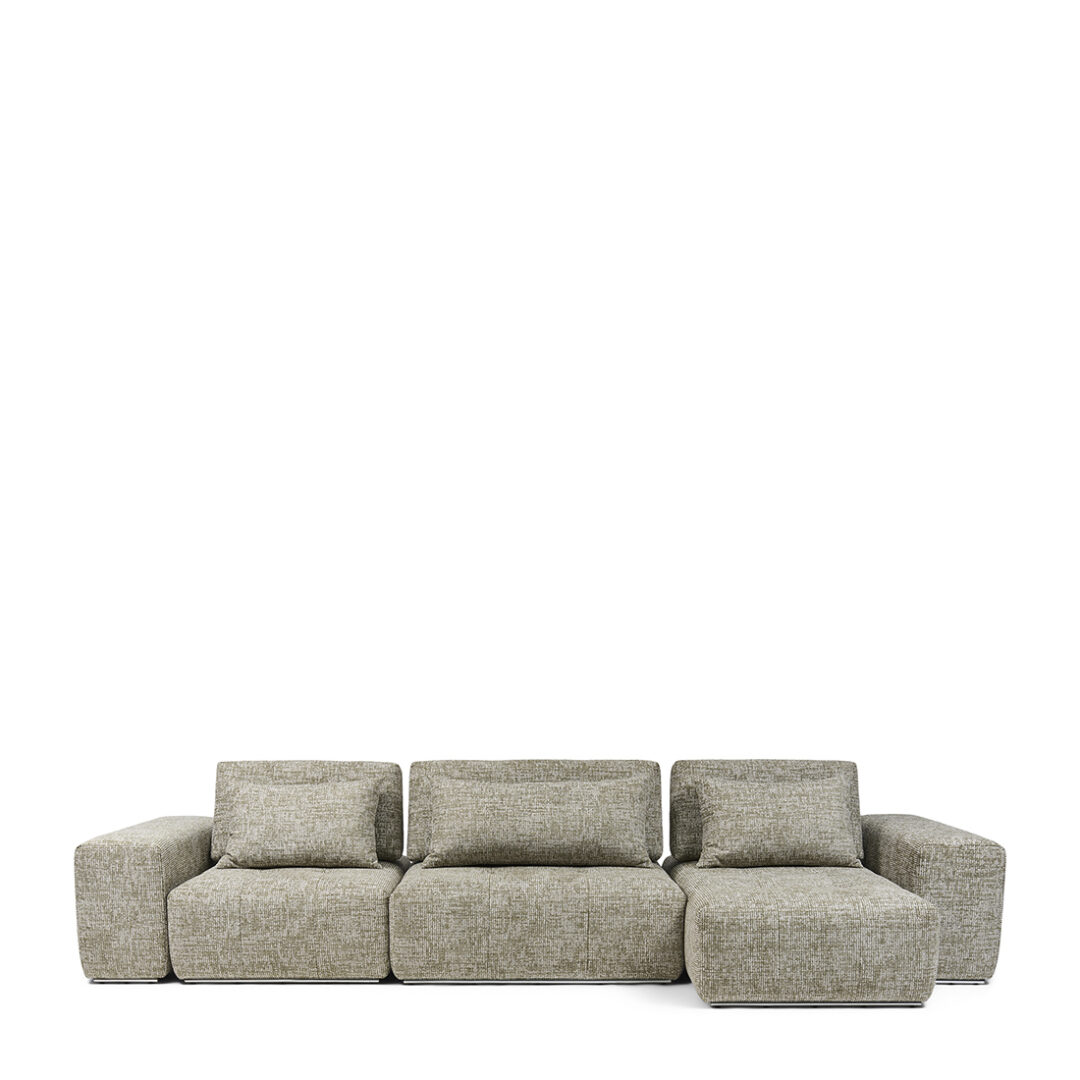
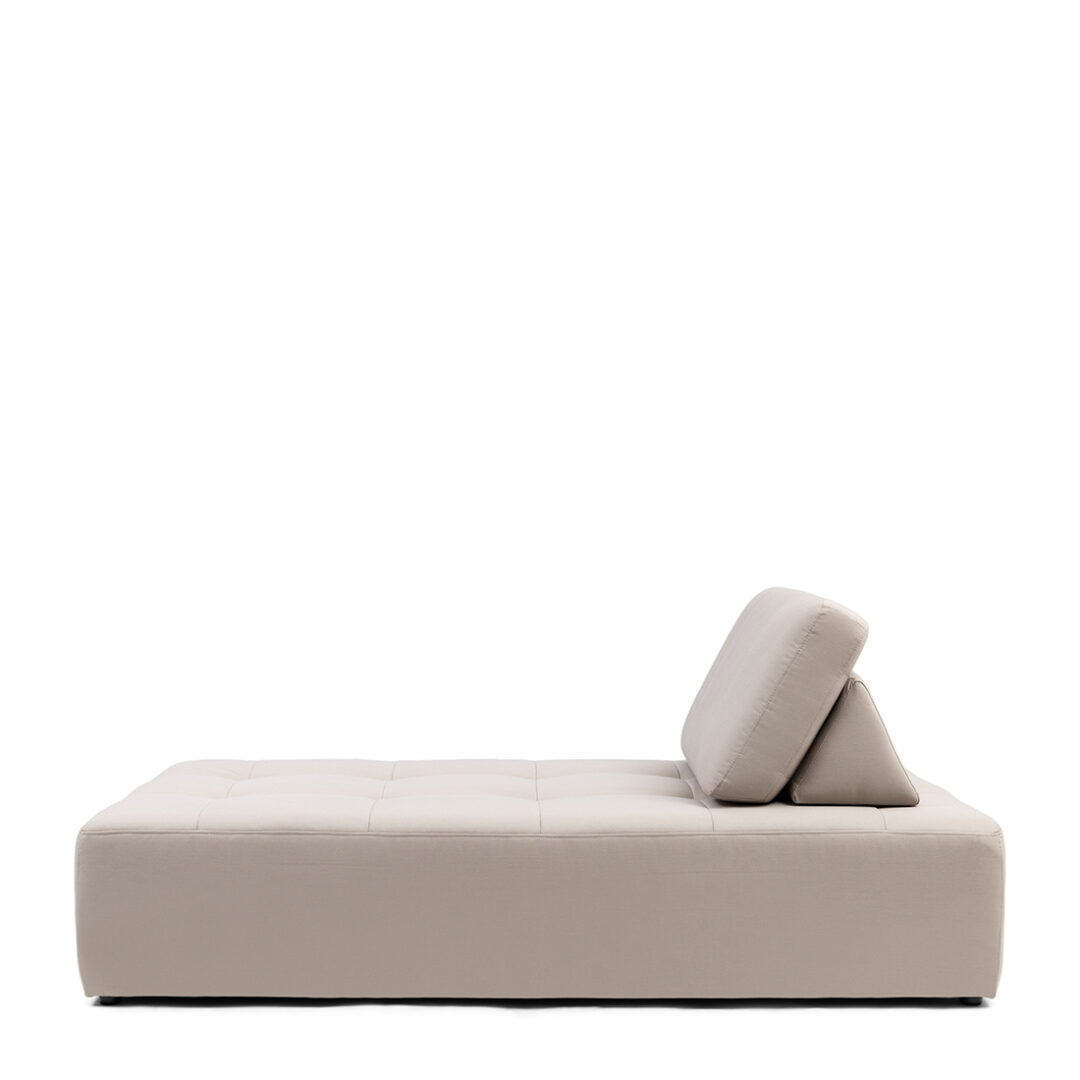
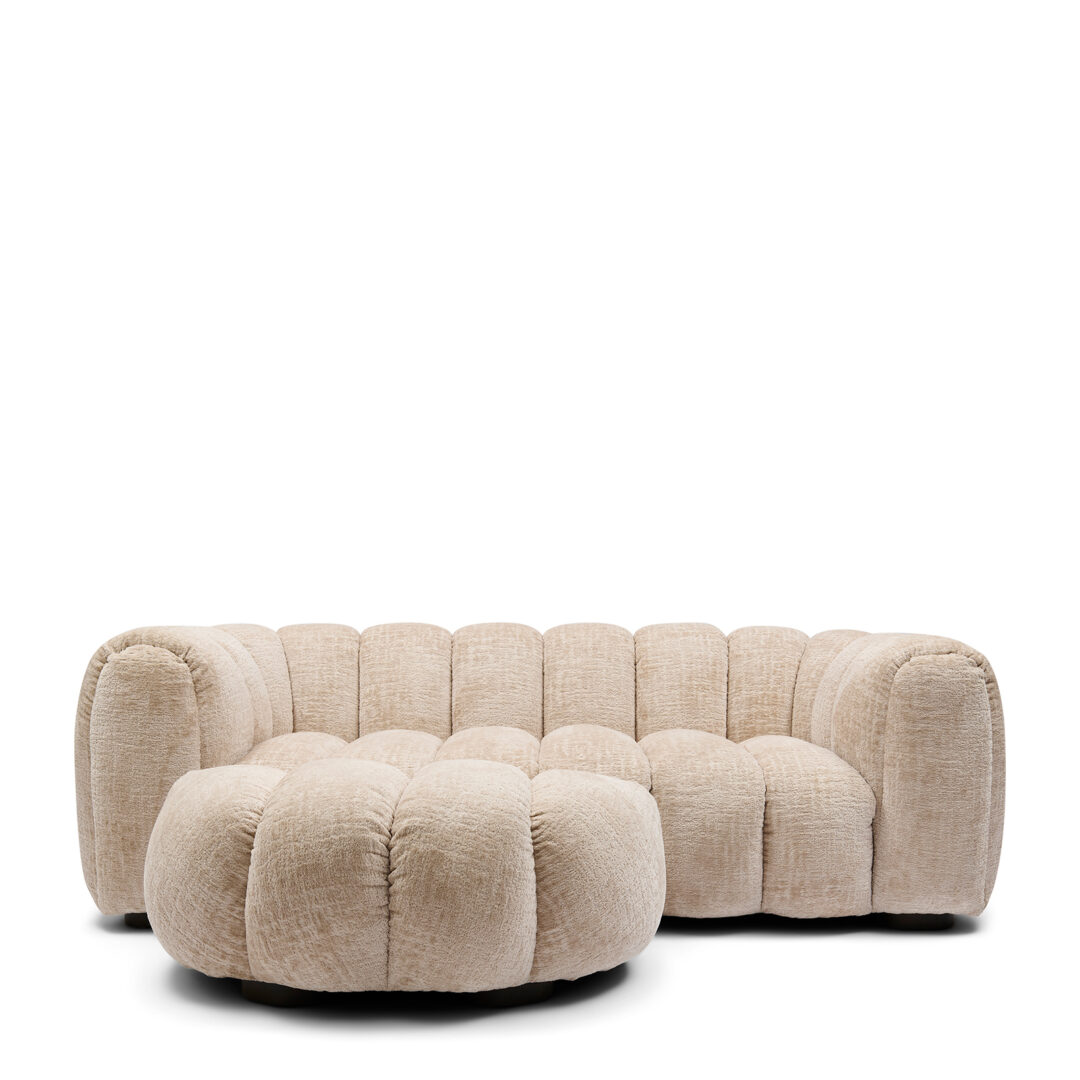
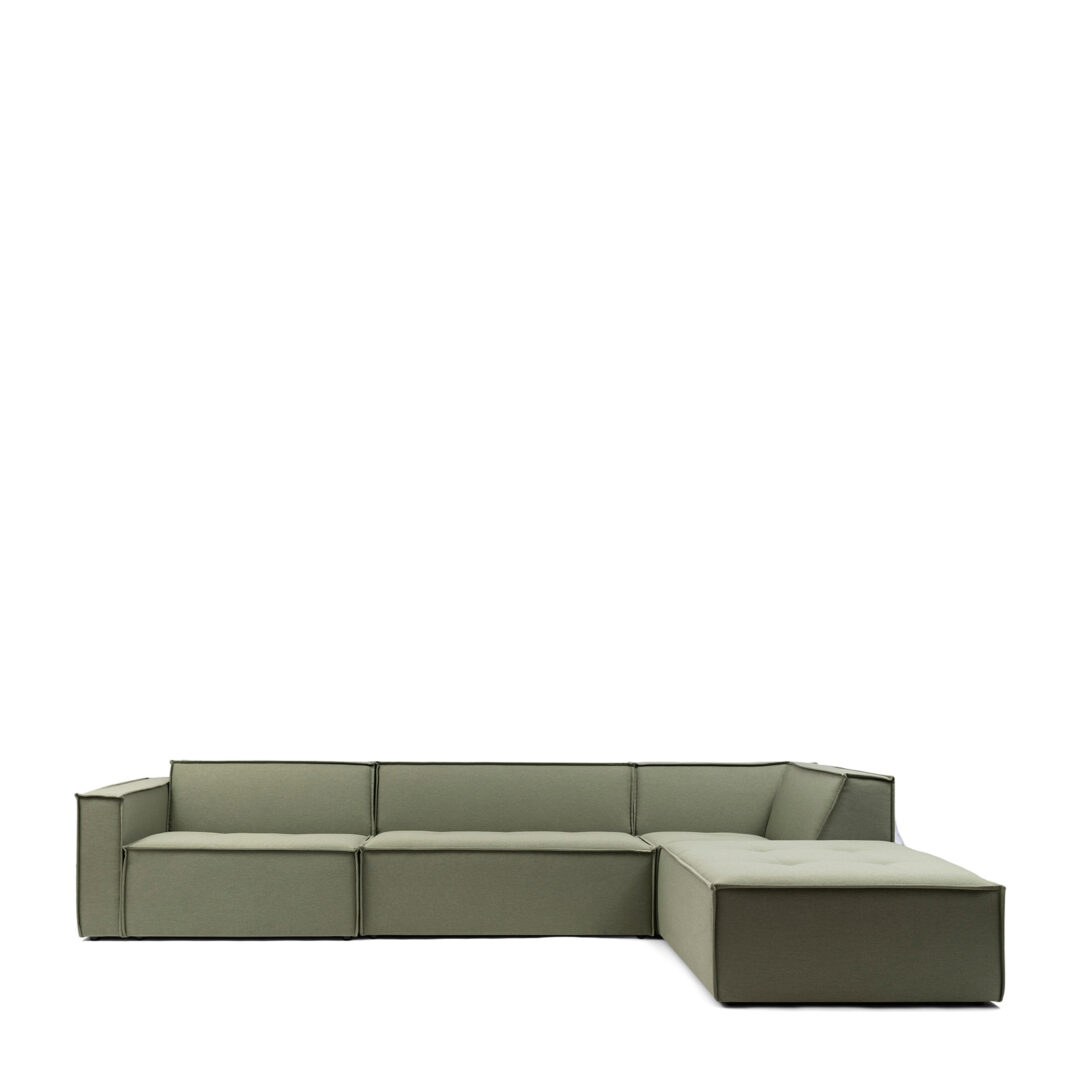
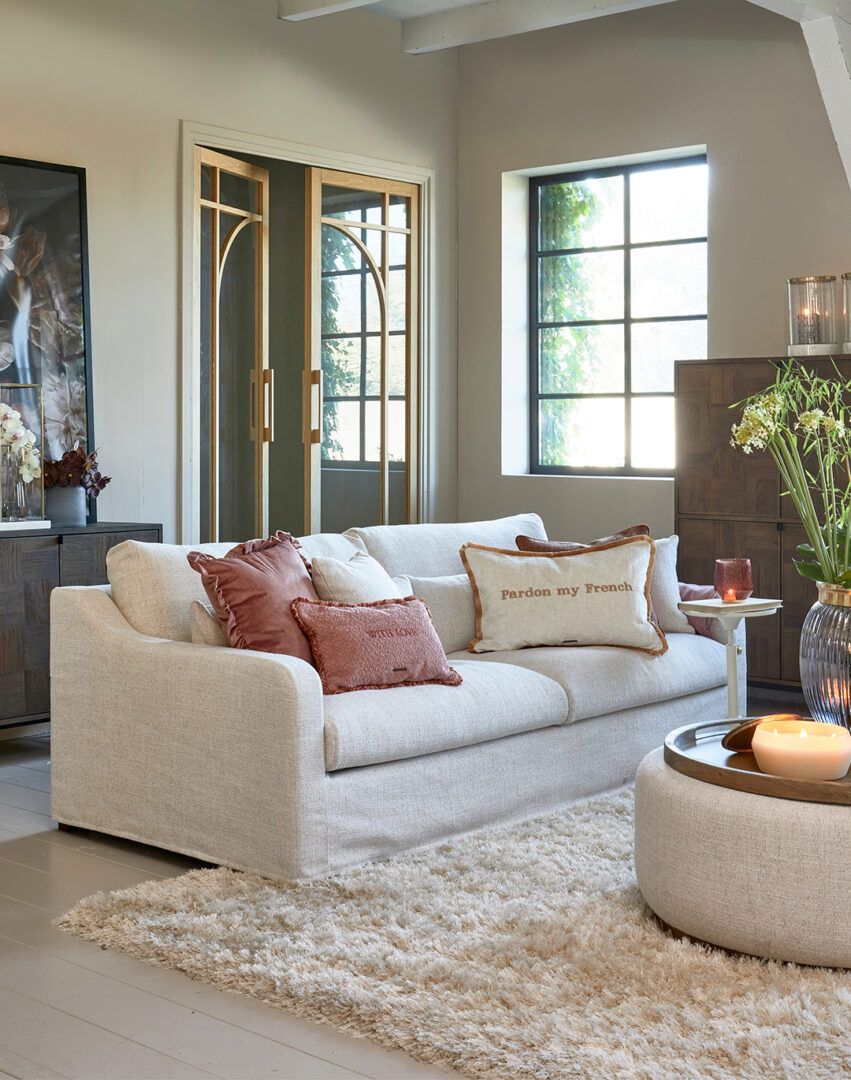
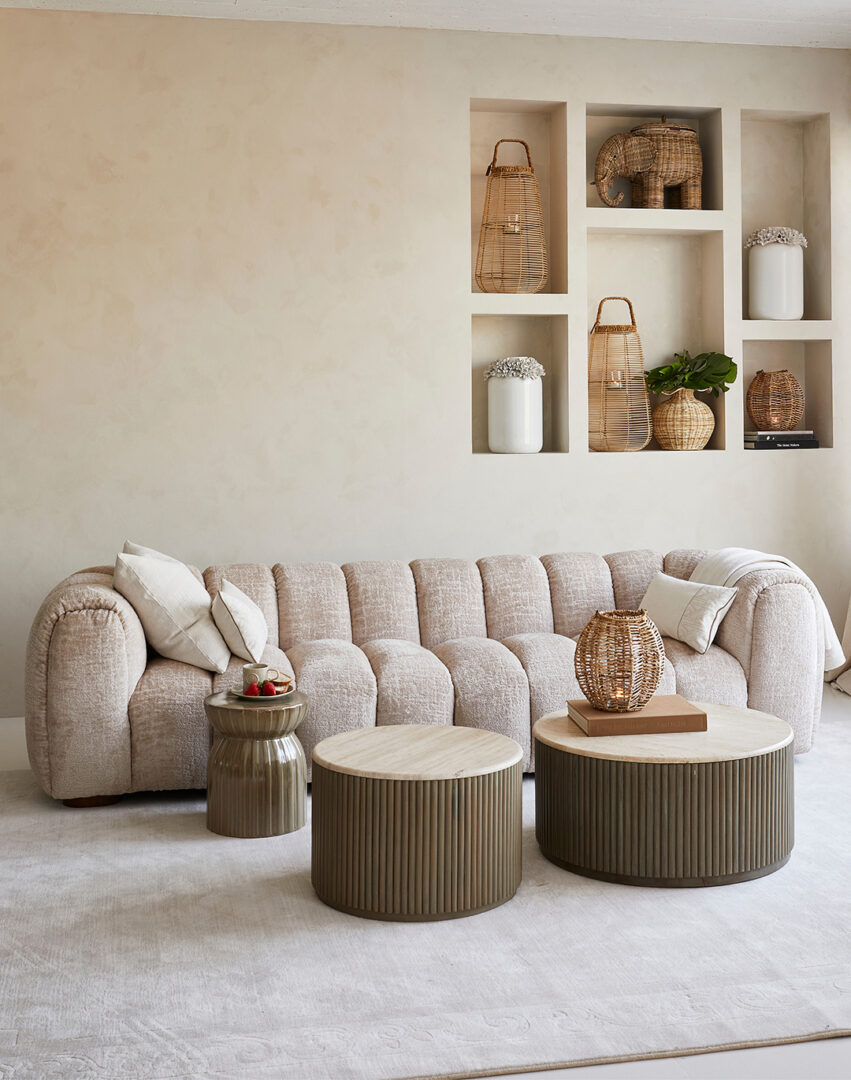
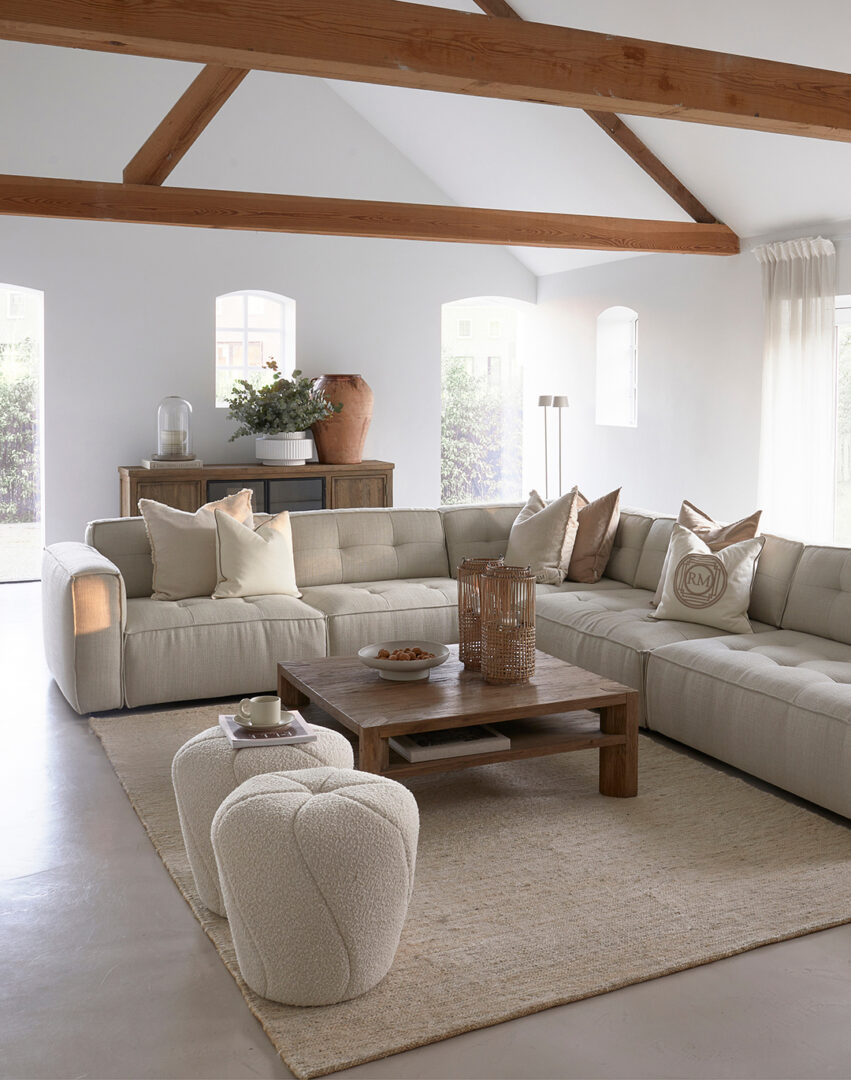
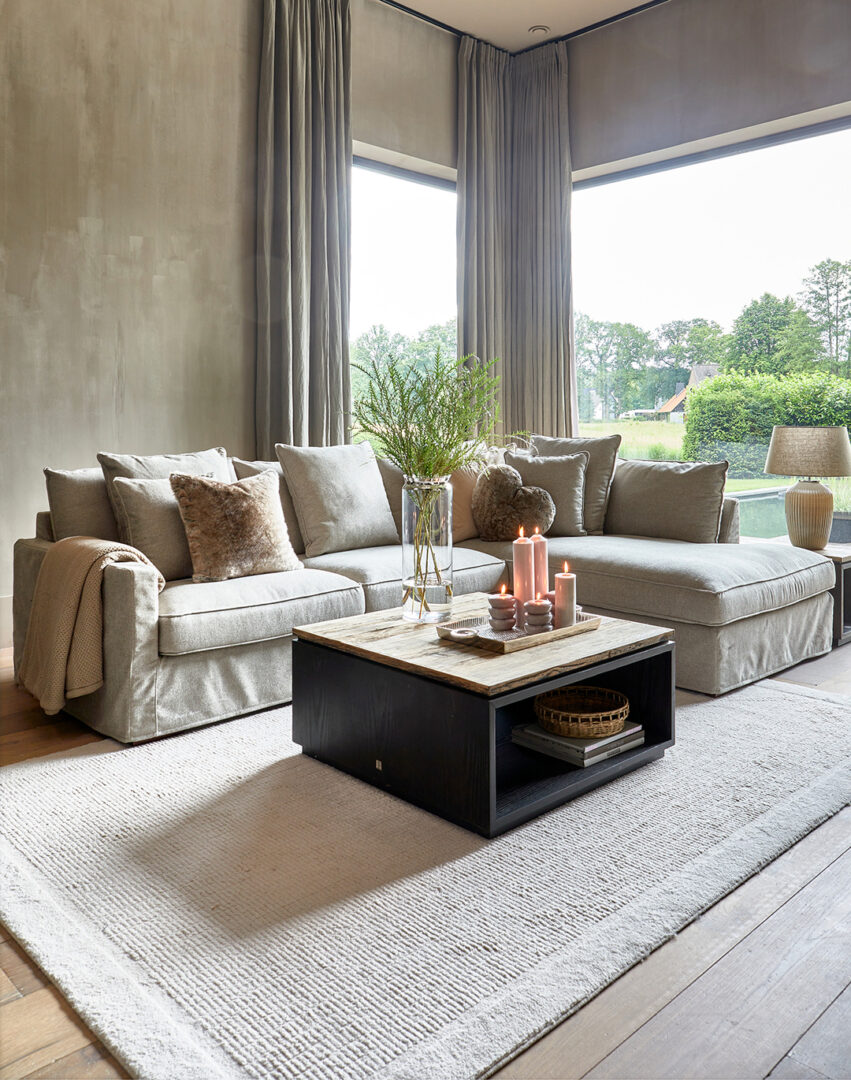
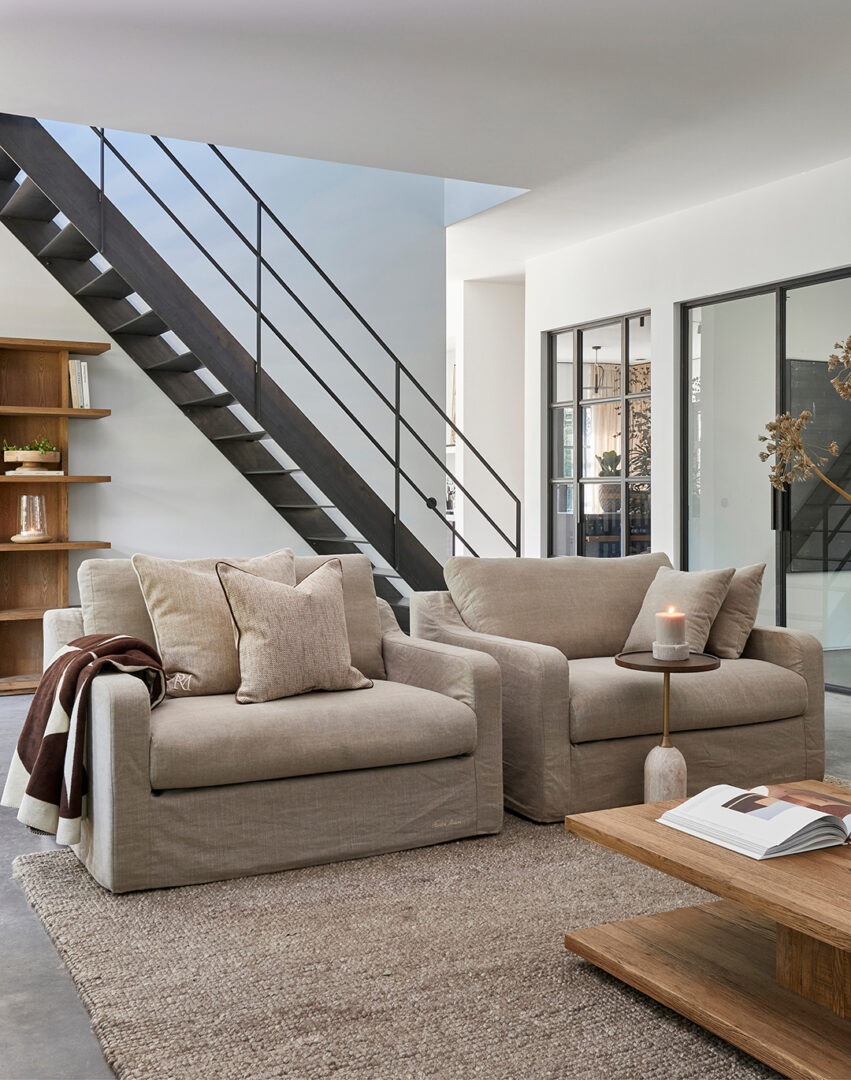
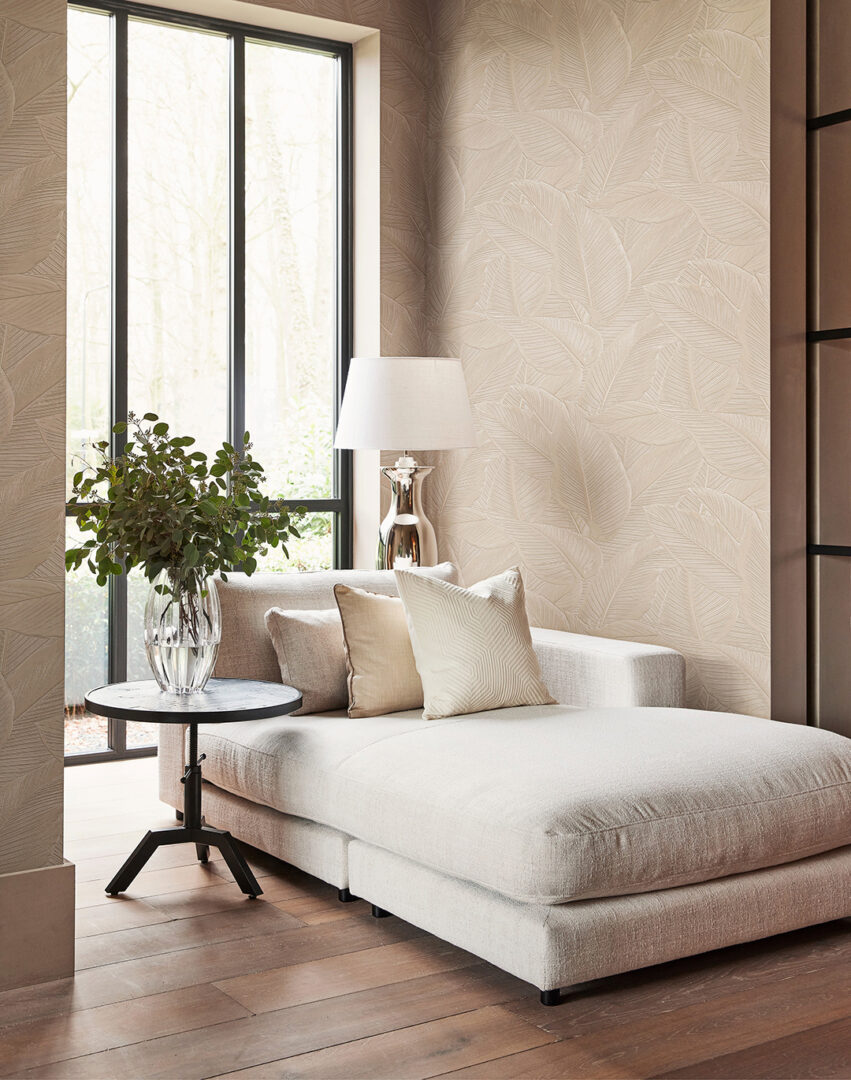
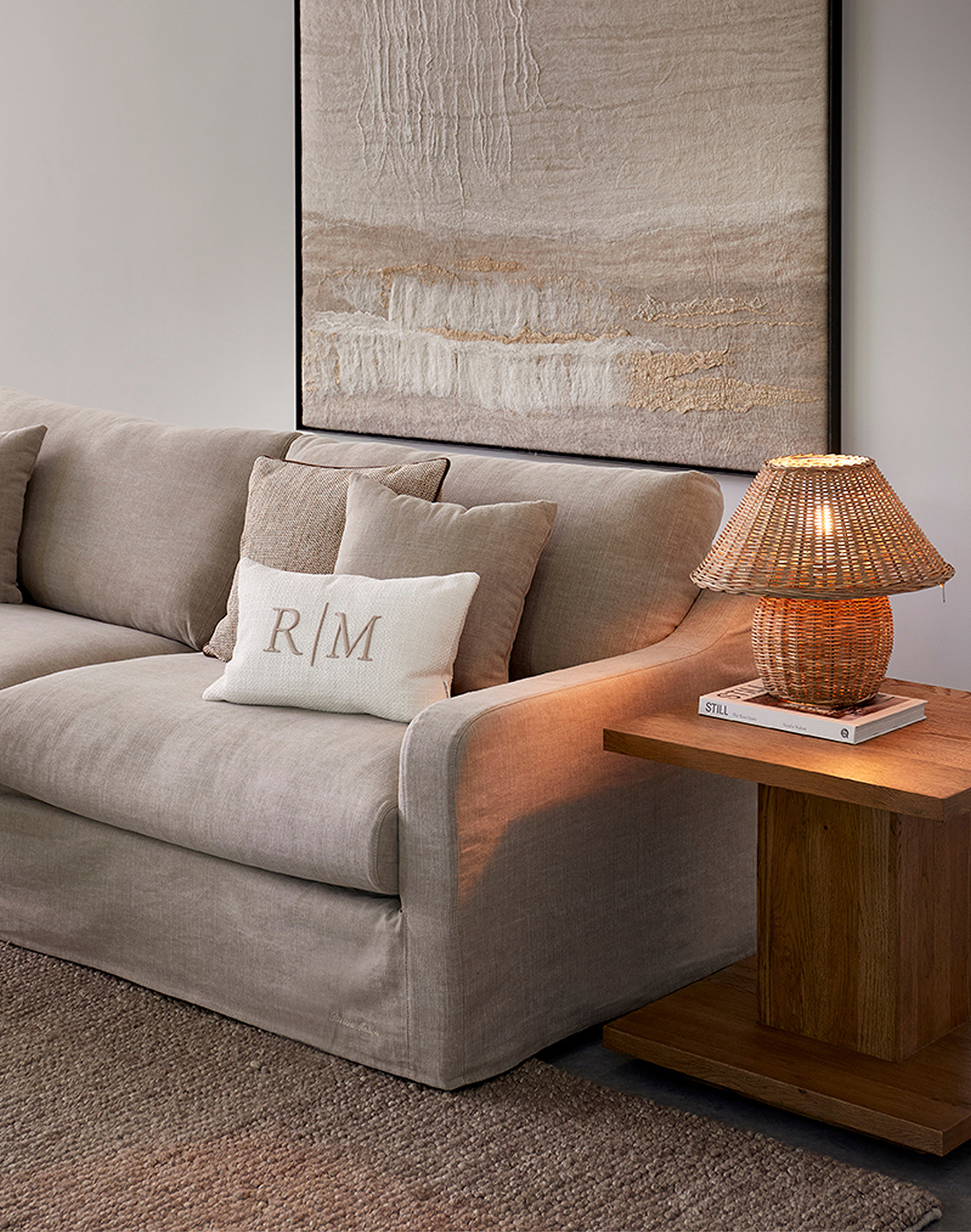
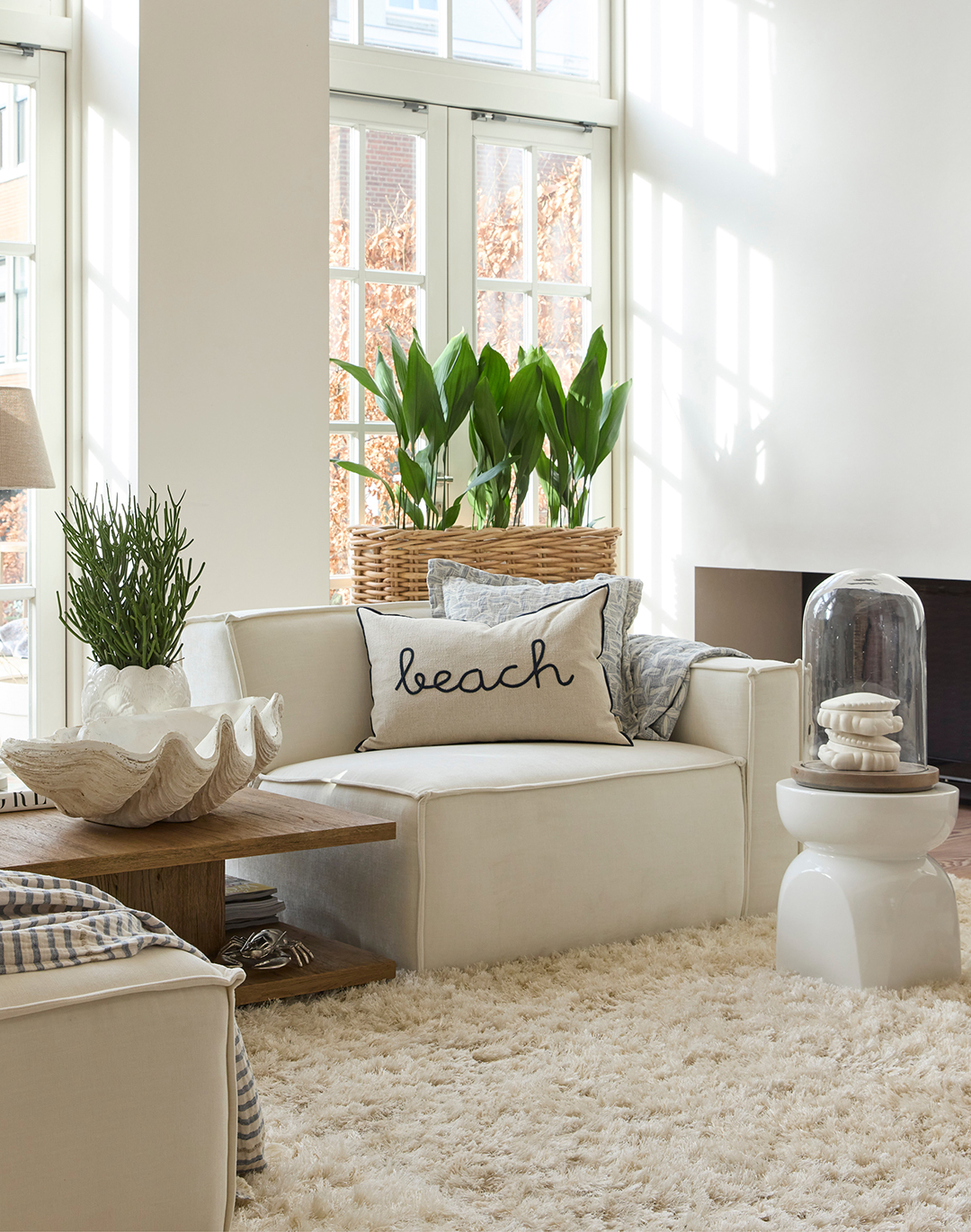
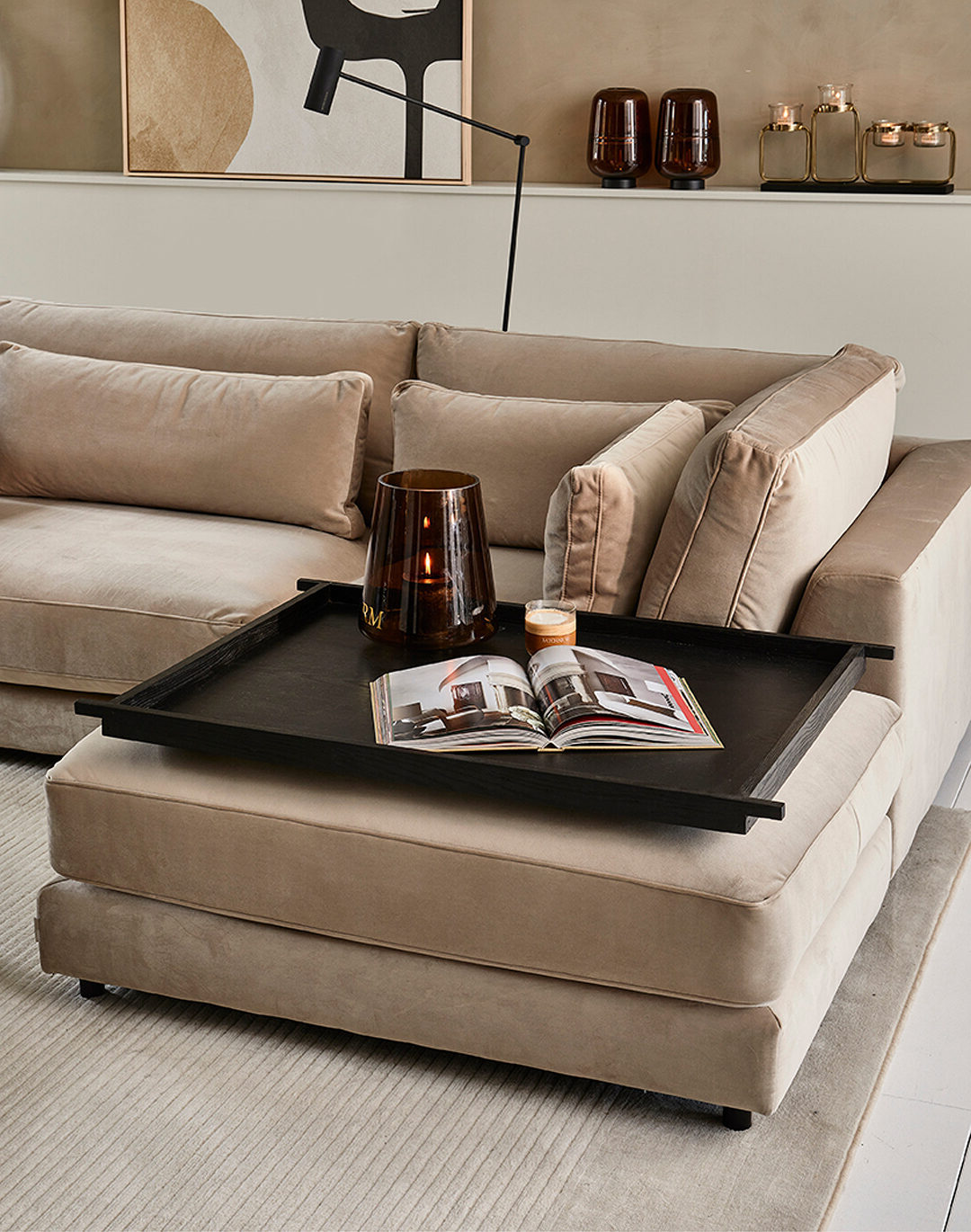
Rivièra Maison offers a wide range of sofas and footstools. Handmade and beautiful eye-catchers for your interior. Our sofas are available in various colours, materials, designs and sizes. Will you go for a 2.5 seater, a 3.5 seater or perhaps a modular sofa that you can put together yourself? Choose the design, fabric and colour that suit you and create your ideal sofa. Read all our tips here to find the sofa that completes your interior.
The right sofa is the ultimate eye-catcher
and the best place to relax!
If you have a small living room but still like to plop down on a sofa, a 2.5 seater sofa is perfect. Relax on the sofa alone or with your partner for an evening, or enjoy a delicious cup of tea with visitors. A 2.5 seater sofa usually has enough room for two people, but you can always squeeze a third person in the middle.
Sink back and enjoy your favourite film or television programme. Or sit in front of the fireplace and enjoy a wonderful evening without having to leave the house. Our beautiful 3.5 seater sofas offer all kinds of possibilities, because there is always enough room for everyone.
A modular sofa consists of separate elements that you can arrange entirely according to your own wishes, to suit the size of your family and your living room. The big advantage? You can vary the arrangement endlessly. Create one spacious lounge sofa or combine several separate elements for a playful layout. A footstool is ideal for use as a footrest, extra seat or, with a large tray, as a coffee table.
A cosy afternoon with the whole family, relaxing with your partner or simply having the whole sofa to yourself? A corner sofa or sofa with chaise longue always invites you to relax. What’s more, it immediately makes a stylish statement in your living room. Before choosing your sofa, consider whether you want the lounge area on the left or right. The arrangement has a significant impact on the spatial layout of your living room.
The name says it all: a loveseat is made for snuggling up close together. But it’s also wonderfully comfortable to sit in on your own. With just a little more space than an armchair, it’s the ideal place to lounge. Create a stylish seating area by the fireplace or combine the loveseat with a matching footstool or side table for a cosy reading corner.
Just like Cleopatra, settle down on a lovely daybed. A daybed, or chaise longue, is a decorative bed bench and ideal for a smaller living room or to create a cosy reading corner. Dress it up with soft decorative cushions and a warm throw for an extra luxurious and inviting look. This way, you can bring the ultimate feeling of comfort and elegance into your home.
Sofas serve different purposes. From visitors dropping by for a cup of coffee to watching a film late into the night or working on your laptop from the sofa. There is a perfect sofa for every activity. In addition to the material, shape and size of the sofa, it is also important to consider whether you prefer an active sofa or a real lounge sofa in your home. An active sofa usually has a seat depth of up to 90 cm. This ensures an active posture, allowing you to sit upright. These sofas often have a harder seat to make it easier to get up from the sofa. Perfect if you often have visitors or if you want to create a modern and sleek look in your home. Lounge sofas, on the other hand, often have a seat depth of 100 cm to 110 cm. These sofas allow you to sink back and sink slightly into the sofa. Lounge sofas are ideal if you spend many hours on the sofa and are therefore looking for a comfortable sofa.
Of course, you want your sofa to last as long as possible. That is why it is important to take good care of it. Below you can read how to do this.
Light and discolouration
Furniture fabrics will always discolour to a greater or lesser extent over time when exposed to direct or indirect daylight and/or sunlight. This varies depending on the type of fabric. Fabrics that contain natural fibres, such as cotton and/or linen, may discolour more quickly under certain conditions.
Cushions and seating comfort
Several of our seating furniture items are partially fitted with cushions with loose filling material, such as down and/or flakes or rods, which significantly increases seating comfort. However, it is advisable to shake the cushions weekly. If you do not do this, the filling may stick and sag, after which it can no longer be restored to good condition. This will result in “dents”. Seats that are used more often feel softer and more supple than seats that are used less often.
Switch & turn
The cushion fillings of various seating furniture guarantee seating comfort. We advise you to regularly shake the loose seat, back and decorative cushions of a piece of seating furniture, as this ensures that the cushions retain their correct shape. In addition, we recommend switching and turning the cushions, or “Switch & Turn”. In some cases, both the seat and back cushions can be used on both sides. This makes them easy to switch and turn. With some seating furniture, the cushions can only be switched and not turned. To be able to turn the cushions, carefully remove the cushion filling from the cover and then put it back in the cover upside down. We recommend changing, turning and regularly shaking the cushions four to six times a year. It is important to take proper care of your seating furniture. This will allow you to enjoy your purchase for longer and with complete satisfaction.
Creasing
Immediately after purchase, upholstered furniture is usually taut and has little “character”. For optimal seating comfort, the filling needs to become about 20% more supple. This depends on the type of filling and fabric. A hard cushion filling always becomes slightly softer and the fabric stretches slightly during use, which always causes creasing. This is a characteristic of fabric and is nothing to worry about.
Discolouration due to heat sources
The fabric and colour of the seating furniture can be affected by heat sources in the immediate vicinity. Close to a central heating system or stove, the fabric can become faded or cracked due to the heat.
Dehydration due to dry air
Dry air can dry out fabric and pellini, making it more susceptible to all kinds of external influences. Maintain the humidity level with water evaporators. This is not only better for the fabric and pellini, but also more pleasant and healthier for you.
Dirt and stains
Remove crumbs, dust and hairs weekly with a vacuum cleaner fitted with a clean brush attachment with soft bristles.
Accidentally spilled something on your sofa? Lukewarm water is often enough to remove a stain from your sofa. For sticky substances, first scrape off as much as possible and press into the fabric as little as possible. Use a colourless cloth, chamois leather, tissue or clean tea towel and dab gently on the stain. Be careful not to rub or dab too hard, as this can damage the fabric. Repeat this process as many times as necessary to remove the stain.
Prevention is always better than cure. To protect your sofa at all times, we recommend using a special textile care kit. Spray your sofa with the textile protector according to the instructions to give it optimum protection.
Shading
Use causes shading. These are not real stains. The areas caused by shading look as if water has been spilled on them. In these areas, the fibres of the fabric are not aligned in the same direction. Depending on the angle from which you look at these spots, they appear darker or lighter than the rest of the fabric. This is an optical effect and has nothing to do with discolouration. The advice here is to vacuum with a clean brush attachment with soft bristles, following the grain of the fabric. This will optimise the fabric’s pile and remove dust and dirt at the same time.
Pilling
Another effect that affects the appearance of upholstery fabrics is the so-called pilling effect. This refers to loose fibres that become matted or tangled due to twisting movements on the fabric. This phenomenon appears over time. You can remedy this with a lint comb or a fabric shaver, both available at chemists. This is harmless and nothing to worry about; only superfluous particles will come off.
Loose threads
No matter how carefully we upholster our seating furniture, it is always handmade and a thread can always come loose in the fabric. Loose threads can be pushed back or cut off with a curved needle. If in doubt, you can always contact customer service for advice.
Wear and tear
Unfortunately, there is no such thing as furniture fabric that does not wear out. Furniture with fabric upholstery will wear out more or less depending on the intensity of use.
Chemicals and sharp objects
Hairspray, gel, nail polish, glue and other volatile products contain acetone. If even a single drop of these products comes into contact with the fabric, it will cause irreparable damage. Furniture fabrics are also very sensitive to other chemicals, so take care. Avoid contact with buckles, zips and studs on denim clothing. Dog and cat claws can also damage the fabric.
Martindale
Martindale may not be the most familiar term, but it is advisable to consider it when purchasing a new sofa. Martindale is a measure of a fabric’s wear resistance. The higher the Martindale number, the more wear-resistant the fabric. Do you use your sofa every day? Then choose a sofa with a high Martindale rating.
Furniture fabrics are divided into five usage classes:
Decorative use – Up to 6,000 Martindale
Light domestic use – 6,000 to 15,000 Martindale
Normal domestic use – 15,000 to 40,000 Martindale
Intensive domestic use – 40,000 to 75,000 Martindale
Very intensive domestic use + work – 75,000 Martindale and higher
Lightfastness
The amount of light in your living room is also important. Does your living room get a lot of sunlight? If so, pay close attention to the lightfastness of the fabric. The lightfastness of a sofa determines how much a fabric discolours under the influence of light. Natural fabrics such as wool, cotton or linen discolour more quickly than synthetic fabrics such as polyester, acrylic and polyacrylic. Dark colours also discolour more quickly than light colours. The scale ranges from 1 to 8, with fabrics scoring 4-5 being highly resistant to discolouration (as long as they are not exposed to direct or indirect sunlight, daylight or artificial light for long periods of time).
Due to a corporate event, our experience centre will be closed on:
Saturday 12 September
Monday 14 September
Saturday 19 September
Monday 21 September
Tuesday 22 September